Limping into December

Nothing like a car accident with the attendant whiplash and concussion—not to mention worrying about whether the impaired driver who hit me can been tracked down, if she is insured, and questions about buying another car—to really put the brakes on one’s reading an writing. I finished two books last month, abandoned one, am still crawling through another, and the two short volumes I expected to easily breeze through last week for the end of German Lit Month are far from finished.

To add insult to injury (so to speak), my blog has been subject to an unending stream of bot traffic from China over the past few months. It kind of takes the fun out of everything when you cannot even tell where the legitimate, organic (i.e. human) engagement is going. WordPress keeps congratulating me on my incredible booming stats, but the possibility of installing a plug-in to help stem the unwelcome traffic requires upgrading to a nearly $400/year Professional Plan which is surely overkill for a pastime that earns me little more than a number of (greatly appreciated) review copies while inspiring continual purchases of even more books that I would like to read and write about.

All this to say: Where has 2025 gone? And how has the world become uglier, meaner, and ever more subject to conflict, political corruption, and natural destruction? I wish I knew.

Passing another milestone

So, I turned sixty-five the other day. I am now one of those characters that the blurb on the back of a novel sometimes refer to as “elderly.” In fact, over sixty is usually enough to warrant that description in a synopsis. Of course, once you get here you realize that “old” is one thing—you can feel that in your knees—but elderly, surely that must be closer to eighty.

American Presidential age.

With senior citizenhood come certain benefits, especially if you are of modest means, but the application processes can be fraught and demeaning. However, I did manage to take advantage of one of the services that come with age—I claimed my annual free eye exam. I’ve been struggling for some time, assuming that all I needed was new glasses and determined to wait unitl my birthday because the meagre benefits applicable toward glasses on the benefit plan I’ve been paying for also roll over this month and I would at least be able to save something on what is inevitably an expensive purchase. Ah, but I don’t need glasses after all. At least not yet.

I need cataract surgery.

If I was struggling with eye strain and dizziness before, now it seems ever more profound and constant. Especially because surgery (fortunately covered by government insurance) is probably six months away. Or more.

I’m not sure if this is where I thought I would be at this age. Are we ever where we thought we’d be? So many of my contacts are much younger, fretting about turning thirty (imagine), agonizing over turning forty (as if). But if there is one thing about getting older, the more milestones you pass, the less ominous they seem. I thought fifty would be profound but it passed without comment and ushered in a decade that would be upended by illness, grief, and unexpected opportunities to travel distant lands. Then sixty arrived in the pandemic and my plans to mark it with flair faded.

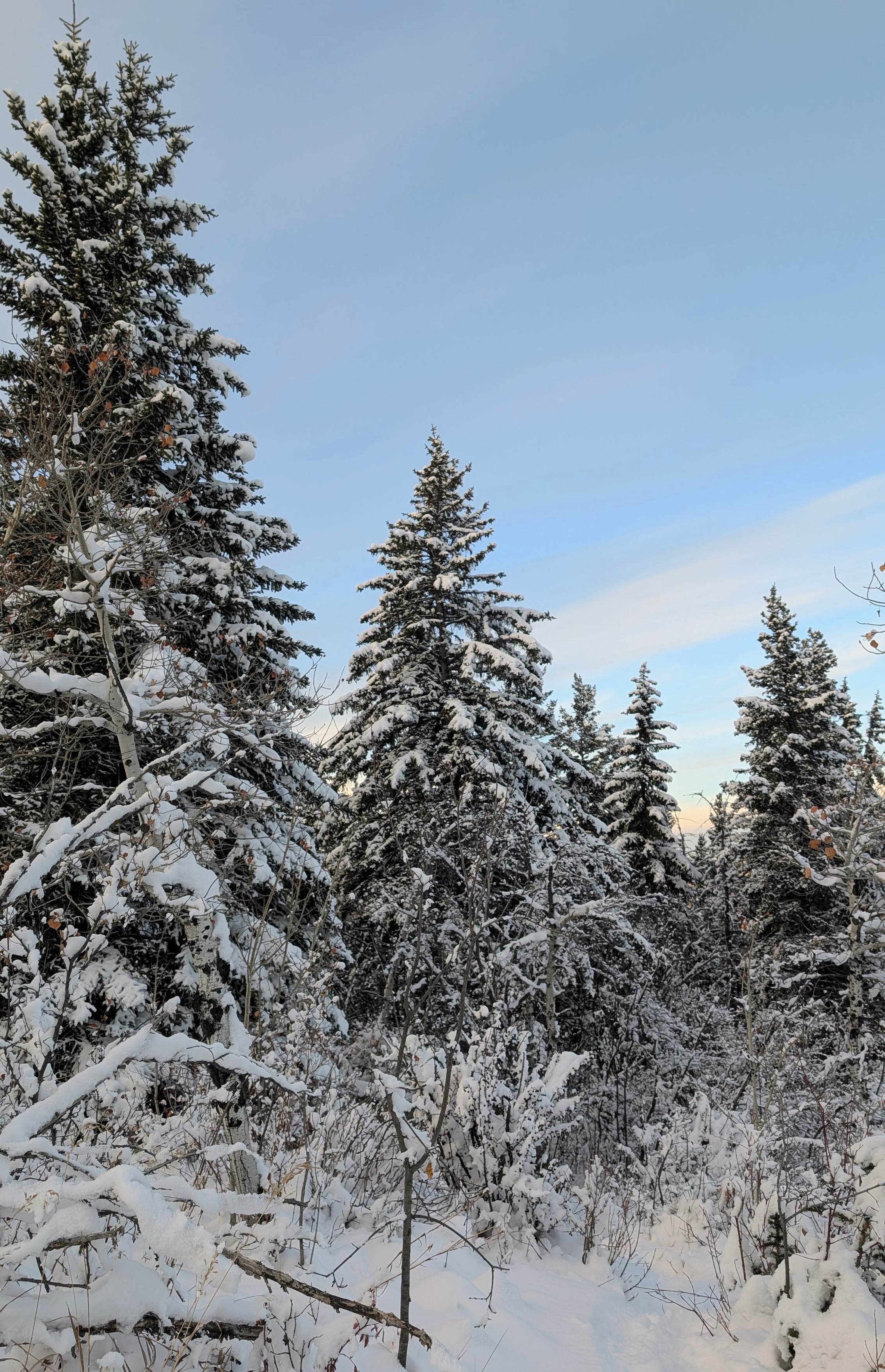
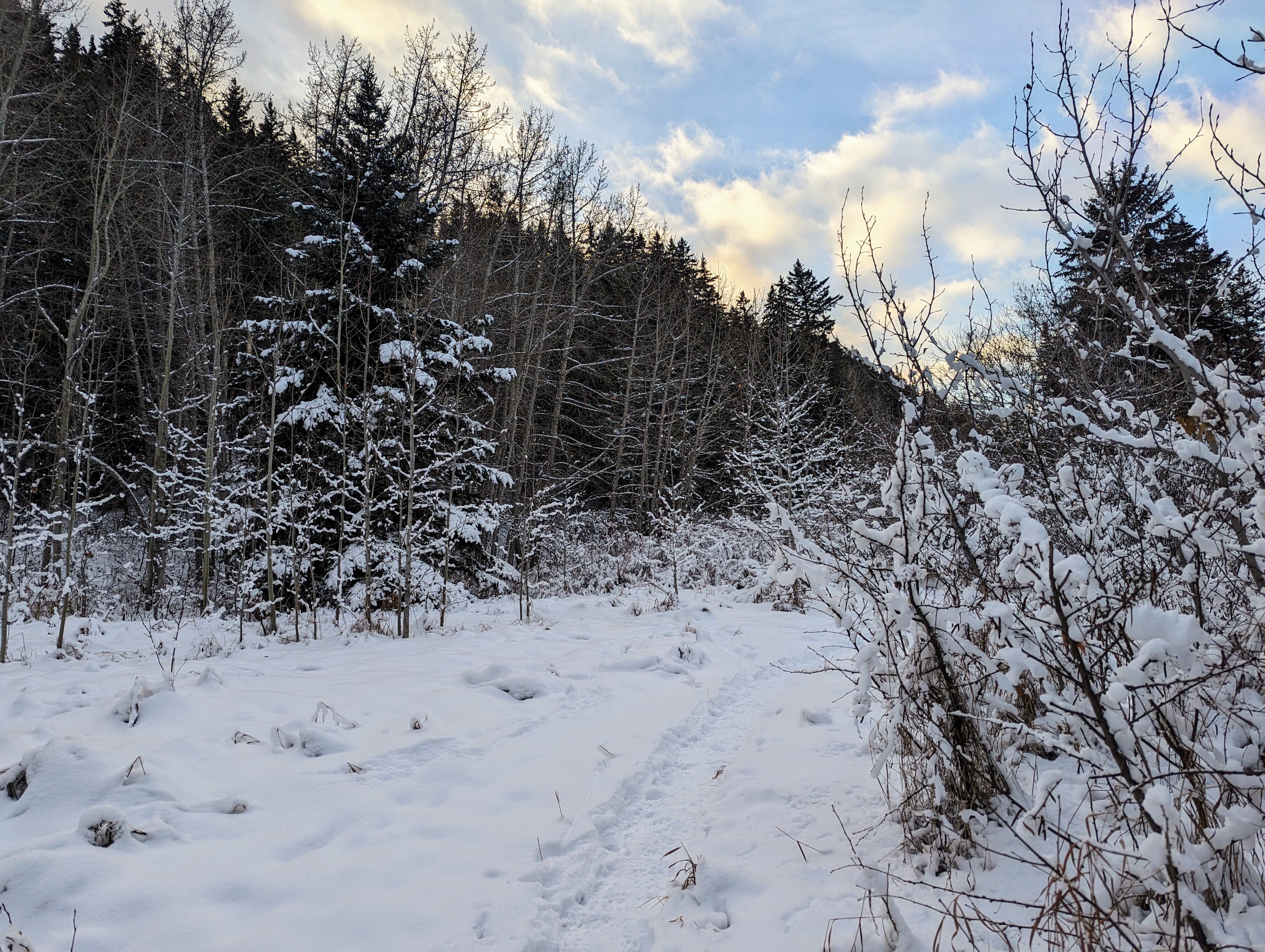
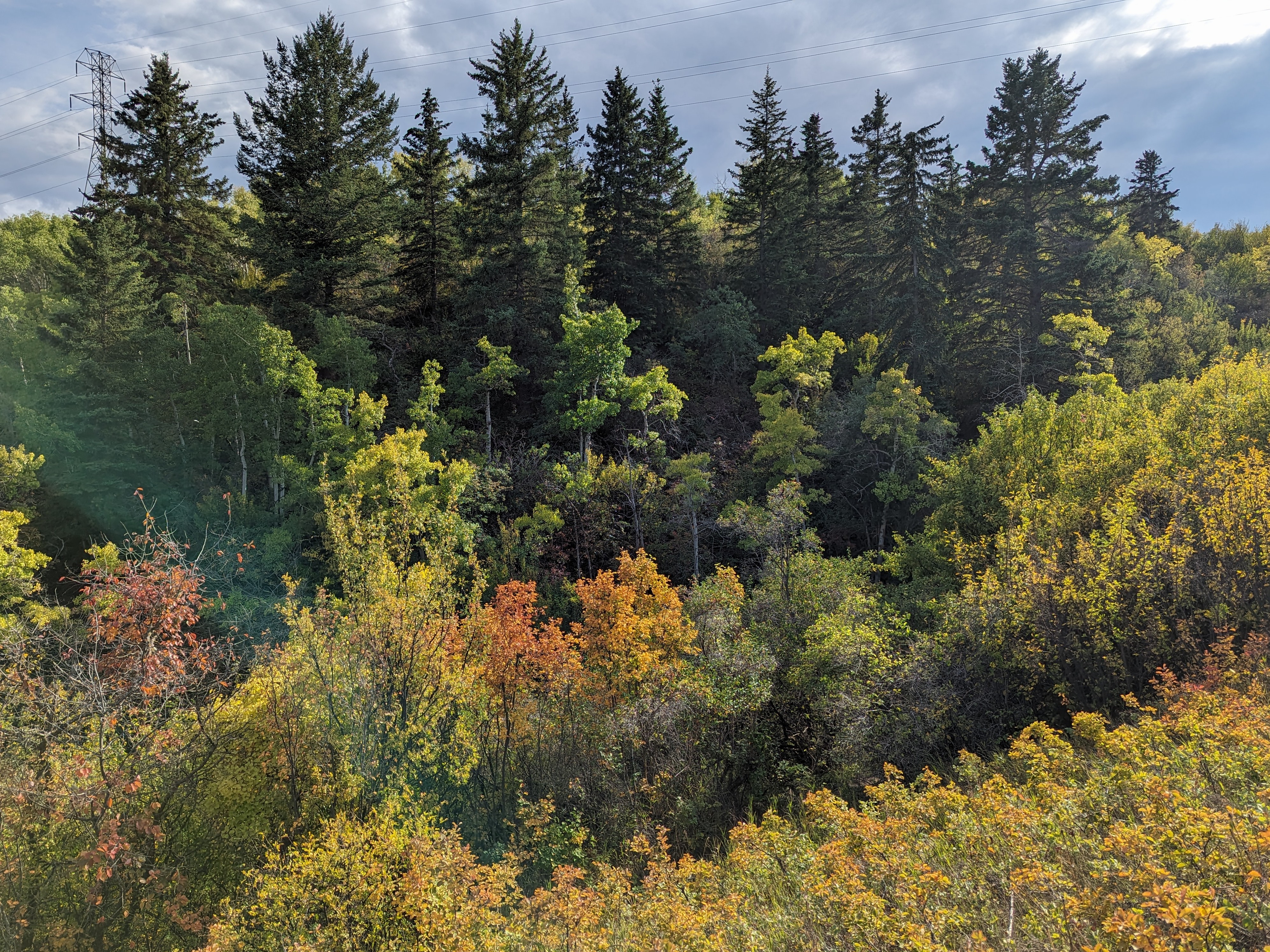
So here I am. Living in the city, but walking every day through forests and along the river. Reading interesting books. Content to be writing about them on my own site—an exercise I take very seriously. Happy to have a rewarding (volunteer) editing gig with a great team. And grateful for a local group of friends who are my age or older to remind me that getting older does not mean you have to act your age!

Photographs copyright Joseph Schreiber

Halfway through 2025: Less reading, but hope for the future beyond the page

Somewhere in the city last night there must have been fireworks, officially that is, I’m sure illegal sparklers were also fired. It was Canada Day, after all. July 1. This same holiday back in 1987, marks the day I finally quit smoking for good. I’m quietly hoping that this year July 1 will be remembered as the day my son quit drinking. We’ve stood at this precipice so any times before, I’m almost afraid to believe it might be true. I’ve said it before, I know, but this time really feels different.

The last few months have been especially difficult. In May my son’s computer was hacked. We stood in horror and disbelief, watching as the hacker systematically and openly carved his way through programs while outside no less than five firetrucks descended on the building next door. The excitement at the neighbours’ subsided, but in our home the damage was done. A text to my daughter, whose boyfriend is a computer tech, provided guidance for the initial security steps, and by the weekend the virus was isolated, the hard drive wiped, and rebuilding was underway. But for my son, a tidal wave of anxiety had been unleashed. And it continued to build. His preferred remedy, as it has been for the past fifteen years, was to drink more than ever. He is thirty-five.

Over the years, I’ve learned the hard way that it does no good to confront him or to overreact. Begging, bribing, and passive aggressive accusations are counterproductive. Or worse. Now that his other parent has been diagnosed with high blood pressure, diabetes and, after repeated small strokes, early onset dementia (and this without a history of alcoholism), the medical risks of his addiction have taken on a new intensity. But the thought of facing panic attacks “alone” and the very real nightmare of withdrawal have long stood in the way of any true desire to quit. Each time I’ve suggested he seek support (something that he has tried over the years, of course) I see that the legacy of his abysmal experiences in the child and adolescent mental health system run deep. And I cannot blame him at all, I’m still angry about the way he was mistreated.

However, something changed in the past few days. Suddenly beer no longer tasted good. No longer provided relief. Made him feel ill. Frightened by the symptoms, he finally agreed to call the public health nurse and after assessing his condition she recommended  he go to the hospital emergency. So that’s where we were when fireworks rang out, and where we were until after three o’clock in the morning. At one point my son insisted we leave as no one had been called in to see a doctor since our arrival, but I insisted he inform the triage nurse and when she saw him he was experiencing serious symptoms of detox. She convinced him to take some medication to help him relax and before long his name was called.

I stayed in the waiting room, hoping to finish the book I was reading. I only had about 20 pages to go when we arrived (in fact, I tucked several books in my pack figuring I would be moving on to something else before the night was out). But then a couple arrived and the woman started listening to an evangelical sermon aloud, on her phone. Stressed and tired, I could not shut it out. I thought, God gave us headphones, surely you could use them. Fortunately, it was not too long before I could go back and join my son.

Now, the road he has ahead will not be easy. He has been drinking so heavily on a daily basis it is no less than a miracle that his blood work came back as good as it did. He has been prescribed medications to reduce cravings and protect against seizures, but he doesn’t seem keen on the side effects (which unfortunately are not unlike the withdrawal symptoms). For someone who has admittedly self-medicated for so long, my son is skeptical about anything that comes from the pharmacy. All I can do is support him with patience and love. This is the first time he has sought medical support, fully and openly admitting to his circumstances, and I am so proud. And cautiously optimistic.

The strain of living with an alcoholic takes a toll. Over the last month and a half I have been distracted, stressed, irritable. I could see that things were escalating, that my son was not coping, but I knew that he had to be ready to take things into his own hands. Meanwhile, I’ve struggled to focus on reading and writing, moving through words at a glacial pace, picking up and putting down book after book after only a few pages. Funny, but only the dream-filled madness of Zuzana Brabcová’s novel of detox, Ceilings has consistently cut through my own anxiety. If I can see my son safely through the next few days of early detox, maybe things will finally be back on track for me—and on to a new future for him.

Note: I debated whether I should write this or not, but decided I needed to put it out there.

Marking eleven years of roughghosts with a few thoughts about writing book reviews

It always catches me by surprise, that annual notification from WordPress informing that yet another year has passed. As of yesterday, May 31, 2025, roughghosts is eleven years old.

Each anniversary leaves me a little bemused. After all, this modest corner of the internet was birthed at the height of a major manic episode—one that would end my career and fundamentally change my life. And although I created this blog with the vague notion that it might offer a space for my own writing, I could not have imagined where it would be eleven years on. It has not only become a place in which I write, primarily about books, but an avenue to writing and editing for online journals.

I have found that I find writing about books very rewarding, but am bemused by the ongoing complaints about a lack of book reviews, especially of titles published by smaller independent publishers. For some reason, book blogs don’t count. (Personally I prefer to describe roughghosts as a “literary site” because of this stigma even though I do not have a problem with the other designation.). My intention with the majority of the reviews I publish is to maintain the same practice I was first exposed to when I was invited to contribute to Douglas Glover’s late great journal Numéro Cinq. They are the same principles that I have preached when invited to speak about reviewing to others, and relied upon as Criticism Editor for 3:AM Magazine.

Basically, my goal is to fashion a piece that is well-written and entertaining,  that attempts to open up a way into a text for a potential reader (especially with books that may be more complex or unconventional) and that aims to call attention to what is interesting about it. In a longer (2500+ word) piece for publication elsewhere, I will take this aspect to a greater depth, but for my blog I am generally aiming for a simpler, shorter (less than 1500 word) review. Most critically, I try to stay out of  my reviews as much as possible unless I have a very good reason to share a little of my own experience or a particularly personal perspective. As Doug Glover would say—I try to limit the “I” statements. You are still reading my reaction, of course, and at times my enthusiasm is palpable, but I always want to leave a text, especially one that raises more questions than answers, open for a reader to explore on their own. I may have very strong feelings about what is really happening, or what something really means, but my specific opinions to that end have no place in a review. That kind of response is for a book club or a conversation with a bookish friend over coffee. However, I do occasionally allow myself to be more present when I am writing what I describe as a “response” to a book—typically one where I know the author fairly well, in person or virtually—or where my own lived experience strongly colours my reading of particular work.

I also tend to spend a ridiculous amount of time writing most of the reviews on my site, regardless of how long they might be. It can take me days to complete a piece, much of that time spent spinning my wheels trying to find the best way to frame my approach. Then, when I finally find my footing it rarely takes less than six to eight hours of focused writing, often a lot more to complete a post. So, I’m a slow reader and an even slower writer. My productivity is not high (I like to imagine it’s quality over quantity) and when life gets complicated, as it does from time to time, it’s even lower. But between reading, writing about books, and editing essays for Minor Literature[s], I am quite content with this blogging life. It has introduced me to so many interesting, intelligent people, opened unexpected opportunities to travel, and, of course, led me to so many wonderful writers, translators, and publishers—not to mention more books that I will ever have time to read.

And now, on to year twelve!

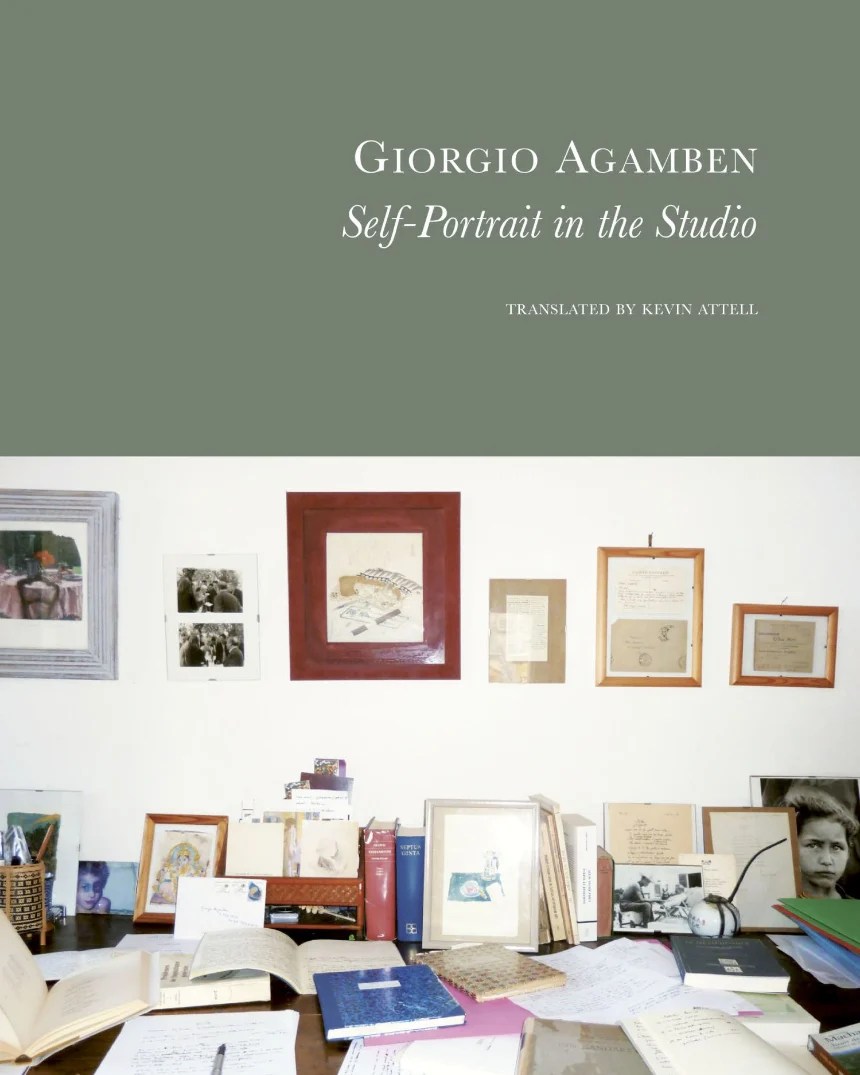
A mirror to a life: Self-Portrait in the Studio by Giorgio Agamben

A form of life that keeps itself in relation to a poetic practice, however that may be, is always in the studio, always in the studio.

Granted that what Giorgio Agamben calls a “studio” might be better understood by English language readers as a “study,” the ideal space is the same: some kind of a desk , plenty of shelving for books, and some room on the walls for  a few well-chosen prints or framed memorabilia. Over the years the Italian philosopher has occupied a number of studios, most rented or borrowed from friends, and each one, revisited through photographs often grainy or discoloured, contains the memories of friends and colleagues and others who have, through their writing, influenced and inspired him. With this slender, generously illustrated volume, Self-Portrait in the Studio, Agamben reflects on his own intellectual journey, which is, in his case, nothing less than a life journey, from the sixties through to the present day, via photographs, paintings, poems, beloved books, and precious friendships.

In this day of the ubiquitous selfie—that practice of intentionally placing oneself front and centre at any site of interest—one might expect a book with “self-portrait” (autoritratto) in the title to be a self-focused venture. Yet, although Agamben does appear with friends, mentors and fellow students in a number of  the included photographs, his motivation is to centre those whose words and ideas have touched him and the lessons they have passed on. In a parenthetical aside he addresses this objective:

(What am I doing in this book? Am I not running the risk, as Ginevra [his spouse] says, of turning my studio into a museum through which I lead readers by the hand? Do I not remain too present, while I would have liked to disappear in the faces of friends and our meetings? To be sure, for me inhabiting meant to experience these friendships and meetings with the greatest possible intensity. But instead of inhabiting, is it not having that has got the upper hand? I believe I must run this risk. There is one thing, though, that I would like to make perfectly clear: that I am an epigone in the literal sense of the word, a being that is generated only out of others, and that never renounces this dependency, living in a continuous, happy epigenesis.)

This desire to stay out of his own way goes a long way to explaining the surprisingly engaging nature of this book. It is not a  detailed or rigorous intellectual autobiography, but rather a chance to spend a little time with a philosopher who truly seems to delight in the exchange of ideas, someone who wishes to honour some of the friendships, writers and artists who have helped shape his own development over the years.  Of course, given that he is writing from the vantage point of his early eighties, there is also a clear appreciation of the fact that the themes and dreams of a life are ever necessarily unfinished. In his preamble he muses: “While all our faculties seem to dimmish and fail us, the imagination grows to excess and takes up all possible space.” There are regrets—for example, sorrow that he did not come to appreciate Ingeborg Bachmann’s poetry while she was still alive—but the text ends with a positive, and still forward looking, affirmation of life and love.

Progress through this book of memories is essentially chronological, Agamben employs objects in or associations with his various  studio settings as touchstones that trigger memories of a particular person or persons who came into his life, and, frequently, the poets or writers that any one connection might have him led to explore. The tapestry of a life of ideas ever expanding, moving from friendships with important contemporary literary and intellectual figures, to meditations on the ideas of those he came to know only through their work, and back again. He never devotes more than a few pages to any one individual, social group, or writer as he honours those who have influenced and inspired his own thought over time.

For myself, many of the individuals he talks about, including those he counts among his important friendships, were previously unknown to me (but easy to look up, of course), but others, especially the writers he feels a strong connection to—like Simone Weil, Walter Benjamin, Hölderlin, and Robert Walser—were not. Of particular interest is the way he considers our relationships to those we read carefully or enjoy close intellectual companionship—what is it to engage intensely with the ideas of others?

As he makes his way along this retrospective pathway, Agamben draws some striking connections that he measures himself against in assessing his own life. Notably, he comments on a piece written just three years before Walser’s commitment to the hospital where he would spend the rest of his life, in which he questions the idea that Hölderlin’s last decades were ones of misery, suggesting instead that his loss of his senses wisely  afforded him the time and space to dream :

The tower in the carpenter’s house in Tübingen and the little hospital room in Herisau: these are two places on which we should never tire of meditating. What was accomplished within those walls—the refusal of reason on the part of two peerless poets—is the strongest objection that has ever been raised against our civilization. And once again, in the words of Simone Weil: only those who have accepted the most extreme state of social degradation can speak the truth.

I also believe that in the world that befell me, everything that seems desirable to me and seems worth living for can find a place only in a museum or a prison or a mental hospital. I know this with absolute certainty, but unlike Walser I have not had the courage to follow out all its consequences. In this sense, my relation to the facts of my existence that could not happen is just as—if not more—important than my relation to those that did. In our society, everything that is allowed to happen is of little interest, and an authentic autobiography should rather occupy itself with facts that did not.

So where does that put his little exercise in self-reflection? In a class of its own. With Self-Portrait in the Studio,  Agamben, traces a rich network of interconnection, through personal contacts, study and research, and even, in some locations, a coincidental proximity to history, to produce a work that is entertaining, intelligent and humane.

Self-Portrait in the Studio by Giorgio Agamben is translated from the Italian by Kevin Attell and published by Seagull Books.

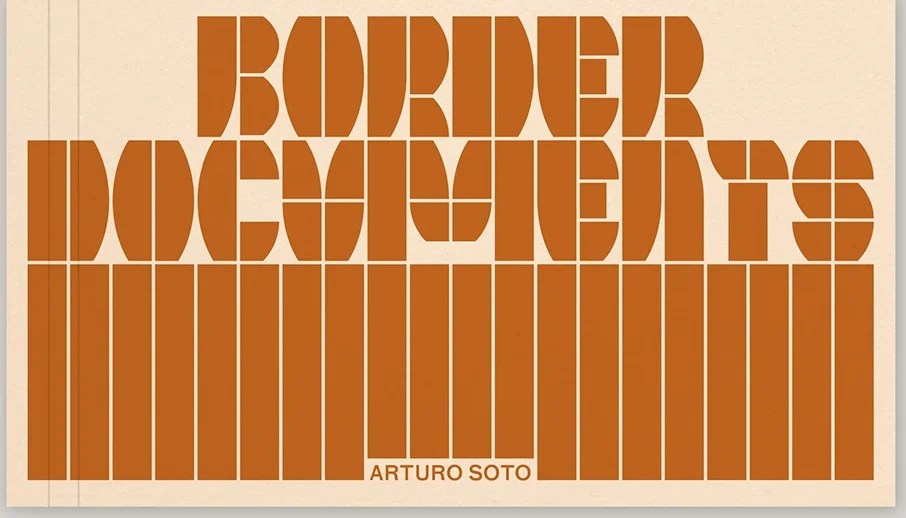
What the streets cannot retain: Border Documents by Arturo Soto

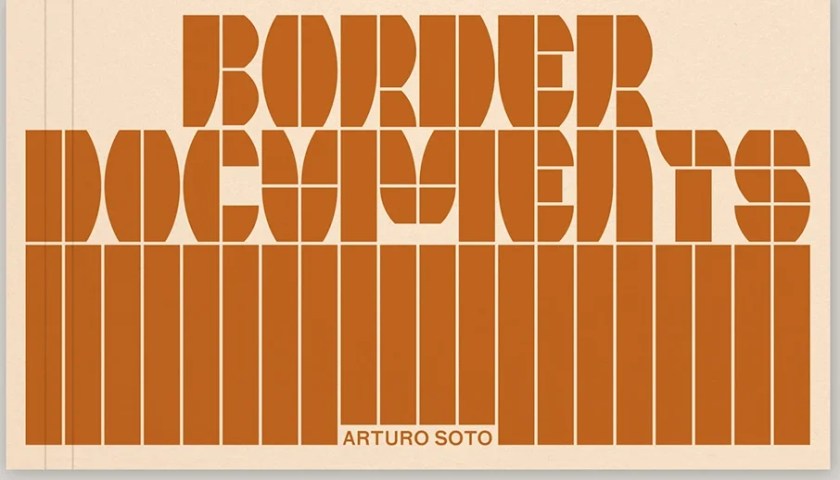
Considering the escalating tensions on the Mexico – US border, heightened even more under the present American administration, Mexican photographer and writer Arturo Soto’s new photo book, Border Documents, is an especially opportune release. The images belong to today; the texts to another time. The late fifties through the late seventies, to be exact. They reflect the environment in which his father grew up in the deeply entwined sister cities of Juárez, Mexico and El Paso, Texas. That world has been irrevocably altered by social and political forces over the past three or four decades, but this uniquely personal project sets out to attempt to “see” echoes of a remembered past in the urban landscape of today. The challenges arise not simply from the passage of time, but from the reputation, both earned and exaggerated, that this area now bears. As Soto points out in his Afterword:

People acquainted with Juárez, particularly those outside of Mexico, tend to know it for its infamies. The femicides of the late nineties cemented an infernal image of the city amply propagated in pop culture. A few years later, the ‘war on drugs’ further precipitated the erosion of civic life, which encouraged the media to focus its attention solely on the gruesome side of things. Such a narrow understanding renders everyday life invisible, putting it at risk of being lost. The past cannot be restored, but it can be conjured for insight to understand past and present lives.

The presentation of Border Documents is clean and spare. (See selections here.) Two-tone school photos of the senior Soto from the sixties and seventies line the inside of the front and back covers. Stark black and white photographs, taken in Ciudad Juárez and El Paso in 2016, appear as almost ghostly images of the streets and neighbourhoods of his childhood and youth. They are characterized by harsh light, sharp angles, lonely vistas. Parked cars are common, but few people are in sight (notably there is one where the photographer’s shadow stretches out from the lower right corner). By contrast, the accompanying vignettes are populated with a vivid cast of friends, classmates, grandmothers, siblings, parents and other relatives. The juxtaposition of the chronological collection of memories, anecdotes, and musings filled with life in all its shades of joy and discontent against contemporary images of the settings where they once took place demonstrates the complex reality of the environments in which we grow up and the degree to which they are both preserved and lost over time.
A case in point, border crossing. Apart from being a source of employment opportunities for Juárez residents, legal or not, El Paso was also a destination for amusements, such as a trip to the zoo, or, more commonly, a place to acquire goods and access services otherwise unavailable at home. An early memory from 1958 captures a child’s early impressions of the experience:

We took the transnational trolley to shop at JC Penney, everyone’s favorite store. The journey felt tediously long despite the short distance because of the long immigration line. They even forced some passengers to get vaccinated before letting them in. Overheard conversations had led me to believe things were much nicer on the other side, but everything looked more or less the same once we reached El Chuco. Over time, I found reference points that sparked my imagination along the route. Some of my favorites were the old customs building, the Spirit of St. Louis replica above a cantina and the clay figures of sleeping Mexicans flanking Don Marcos Flores’ house. A former municipal president, he had a gift shop close to the Santa Fe bridge. My grandma Esther cashed the money my aunt wired her from Los Angeles there. Don Marcos, always at the entrance, greeted her by name, which made me feel distinguished.

However, the photograph that faces the above memory depicts, from across the cracked pavement of West 4th Avenue, a plain, all-purpose structure with its available services painted right onto its front wall in English and Spanish—Copies, Fax, Foto, Income Tax, Public Notary, Medicare, Medicaid. Hard to picture such a destination sparking a child’s imagination today.

Some of the photographs captured appear to closely align with the accounts of the relative freedom afforded by a makeshift cement and brick playground in a barrio defined by specific streets and bridges. Perhaps these scenes are little changed with time. Of course, not every photo has a story, though each one has a location indicated. Likewise, not every story is matched to a photo. Soto’s father’s anecdotes carry enough humour, wisdom, and empathy to form vivid portraits on their own. He recalls, for example, a near spiritual crisis on the occasion of his First Communion with his sister Elsa in 1963. His mother was able to find him a second hand outfit and, with luck and a generous repayment plan, a most elegant new dress for Elsa. Simply clothing the outside, however, was not enough:

My peace of mind and the purity of my soul proved harder to secure. Some distant relatives were in town, and my cousin kissed me while playing a game. I felt very conflicted. This happened after my confession, and we had just been instructed on the consequences of receiving communion in a state of sin. I went back to the church and explained myself to the priest. He laughed and made me promise not to do it again but assigned me no penance. Liberated, I bought an orange from the market, feeling closer and closer to heaven with every slice I ate.

Life was not easy—along with the typical boyhood and adolescent adventures, and misadventures with friends and siblings, there was an alcoholic uncle, a father inclined to infidelity and other challenges—but the reflections Soto’s father shares show a distinct compassion or understanding, even if it is filtered through an adult’s appreciation of his younger self. One can see why his son who grew up listening to his stories would be inspired to encourage him to engage in this project even if some memories would be destined to transcend the physical spaces in which they were formed:

I keep a sad memory of the Cine Reforma. I watched there El Señor Doctor when Cantinflas was at the height of fame. Since overselling tickets was standard, I had to watch it on my feet. At some point, I thought I recognized someone a few rows ahead, but it wasn’t until the credits rolled that I made out my uncle Carmelo, a subject of constant gossip in our family. My dad used to say that his sister, the fearful Aunt Berta, would seize Carmelo’s salary. On Sundays, she would give him just enough for a newspaper, a shoeshine, and a movie ticket. I always thought my dad exaggerated the situation, but I confirmed my uncle’s capitulation was true that day.

As in Arturo Soto’s earlier work, a strong thread of social commentary is woven into the relationship between images and commentary. He is drawn to challenging the existing assumptions about a place by focusing on the ordinary to expose the everyday reality overshadowed by the outsized image an urban centre may otherwise project. His last work, A Certain Logic of Expectations (see my review) was the outcome of his time spent studying for his PhD in Fine Art at Oxford University during the BREXIT years. But rather than focusing on the famed campus environment, he turned his camera on the other Oxford, the working class community that belongs to a geographically larger but psychologically and socially distinct space from the hallowed University environs. Of course, he views this world from the perspective of a Mexican outsider who can’t help but marvel at how relatively safe and clean even the “rough” parts of town feel. However, with this new collaborative project, he is exploring an urban environment he frequently visited while growing up in Mexico City, but that always felt at odds with the images his father’s anecdotes had conjured. In revisiting these streets, avenues and corners, Soto allows his camera to offer a visual counterpoint to the record of his father’s memories and the result is a very powerful—and personal—documentary that crosses borders, both temporal and political.

Border Documents by Arturo Soto is published by and available from Eriskay Connection.
And we turn toward the sun once again: Winter Solstice 2024

whoever has kept the night in suspense
for light or for a star

while we were stealing words
from joy and its opposite

in this way day is torn from night
and shadow from our eyes

they open yet again
renewing the pillaged
miracle

(– Amina Saïd, tr. Peter Thompson)

These are dark times. I know that almost sounds cliché at this point after years of widespread illness, growing polarization, rising right wing sympathies, increased intolerance of differences of any nature, profit motivated denial of climate change, and the clear demonstration of a shocking capacity to either justify or look away from horrific violence and injustice, but I don’t know of too many people who can continue to pretend that maybe next year will be better. It won’t, at least not on any global scale. It is far more likely to be worse in ways we can’t even imagine.

I’m not depressed, not at the moment anyhow, but I am fundamentally pragmatic going forward.

When I first started this blog in 2014, I used to mark the solstice—winter in particular—as a sort of touch point. It originated in relation to the date when a mental health crisis reached its zenith, on the job, effectively (although I did not know it at the time) ending my career. On June 20th I was at the height of a devastating manic episode; six months later in the darkness of December, I was in a state of despair. I channeled that into a post marking the shortest day of the year, a short piece of writing that looked back at the unresolved loss and shame of becoming seriously ill at work, something that would I carry to this day without any closure. Mental illness still faces an often unsurmountable stigma. And I even worked in the disability field.

Anyhow, that first winter I was looking forward to rebuilding. The following June I turned the solstice on its head and wrote a post from South Africa where, of course, it was winter. I believed I had come full circle, one trip around the sun, and I was ready to put pen to paper and tell a story I had kept supressed for much of my life. My story. But then, about two weeks after I got home I had a cardiac arrest secondary to a pulmonary embolism and suddenly I realized that my story was being rewritten for me. As it would continue to be revised and edited over the years and through the solstices that have since come and gone. My solstice reflections, regular for the first five years or so and occasional since then, have remained a winter inspired project (considering that two June posts being related to trips to South Africa and Australia respectively were technically winter solstice as well). Here in the Northern Hemisphere there is something about the long nights, the holiday season—which for my small family is quiet—and the approaching new year that encourages a little inward-looking self-assessment.

That spark that comes with the almost immediate shift in the quality of the light as the sun begins its migration northward once more.

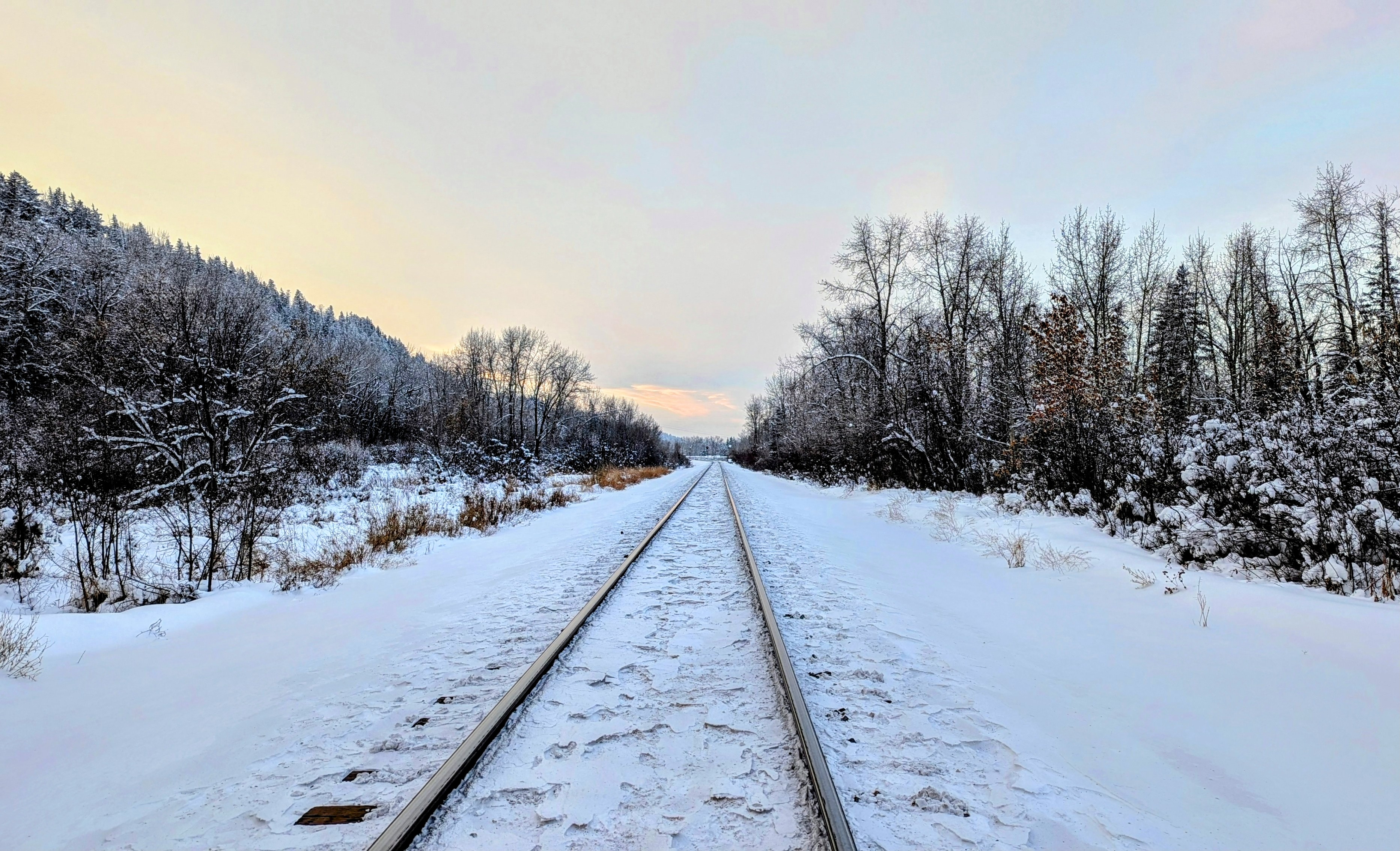
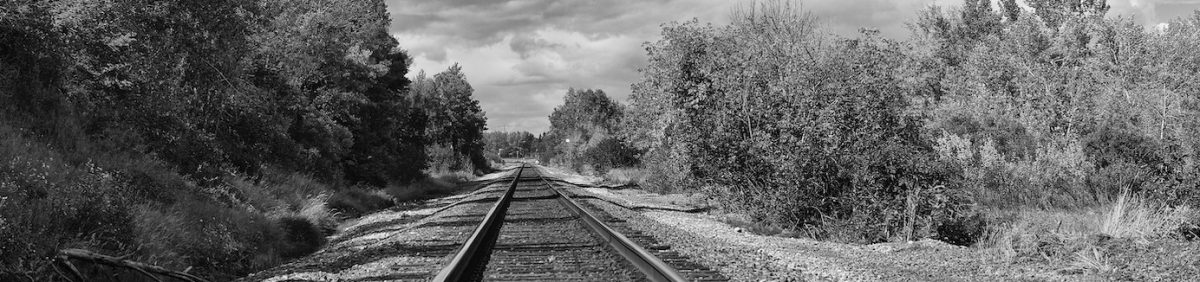
Looking back over my past Solstice missives I was often wistful, looking ahead with quiet optimism that the next twelve months would finally see progress toward the goals I set for myself, more travel, more writing. But as the years have passed, the pandemic, a series of disasters, natural and manmade, war in Ukraine, ongoing genocide in Gaza, rising transphobia, and the steady erosion of democratic values and principles combined, perhaps, with getting older has tempered my expectations, if not extinguished them altogether. Close to home this past year has had its difficulties, with several serious medical issues arising with loved ones, and the stresses that come along with challenging diagnoses—or worse, the lack of a clear diagnosis. And there are stresses that continue without resolution. But I have good health and a roof over my head. I’m far from the uncertainty, violence and devastation that so many people face across the globe, and I have the sanctuary of a forested trail to retreat to.

I have yet to seriously recommit myself to writing, but I did pitch and publish a piece outside this site for the first time in years with a review of Frail Riffs, the fourth and final volume of Michel Leiris’ Rules of the Game which was finally released in English this spring. It was actually a wonderful excuse for me to go back and reread volumes 2 and 3 in preparation. I also returned to editing this past summer, taking on the role of Essays Editor for Minor Literature[s], a journal that has published some of my own writing over the years, including the recent Leiris review. It feels good to be editing again, something that I like to think of as having a measure of the satisfaction of writing without having to come up with all the words! And I made my editorial debut at Minor Lit[s] with what turned out to be one of our most popular essays of the year. And for good reason. It is Haytham el-Wardany’s devastating and powerful “Labour of Listening”. It was critical and timely when we published it, and sadly it is still critical and timely now.

Closer to New Year’s Eve I will gather a list of some of the best books I read this year. Until then, stay safe and Happy Solstice.

A reflection for Winter Solstice 2023

As soon as we pass the longest night of the year, there is a noticeable change in the quality of light. The afternoons immediately seem brighter as the days begin to lengthen, minute by minute, week by week. I can remember more than a few winter solstices that found me mired in a darkness that was soul-black and heavy. But this year, as the world, at home and afar, is facing so many serious threats, it feels essential to remain focused on what needs to be addressed—war, climate change, increasing polarization, a pandemic that is still causing illness and disability, and so much more. Heaven knows there is much to worry about, many reasons to be angry, ample cause for despair, but, at the moment, as someone who has known deep depression borne of chemistry rather than circumstance, what I tend to feel is a positive anger, that is, an emotion that fuels a desire to be more active in my speech and action as the new solar season dawns. There is an opening up to the other that, after years of relative isolation, has been reignited in me in recent months and I hope I can keep that energy in motion.

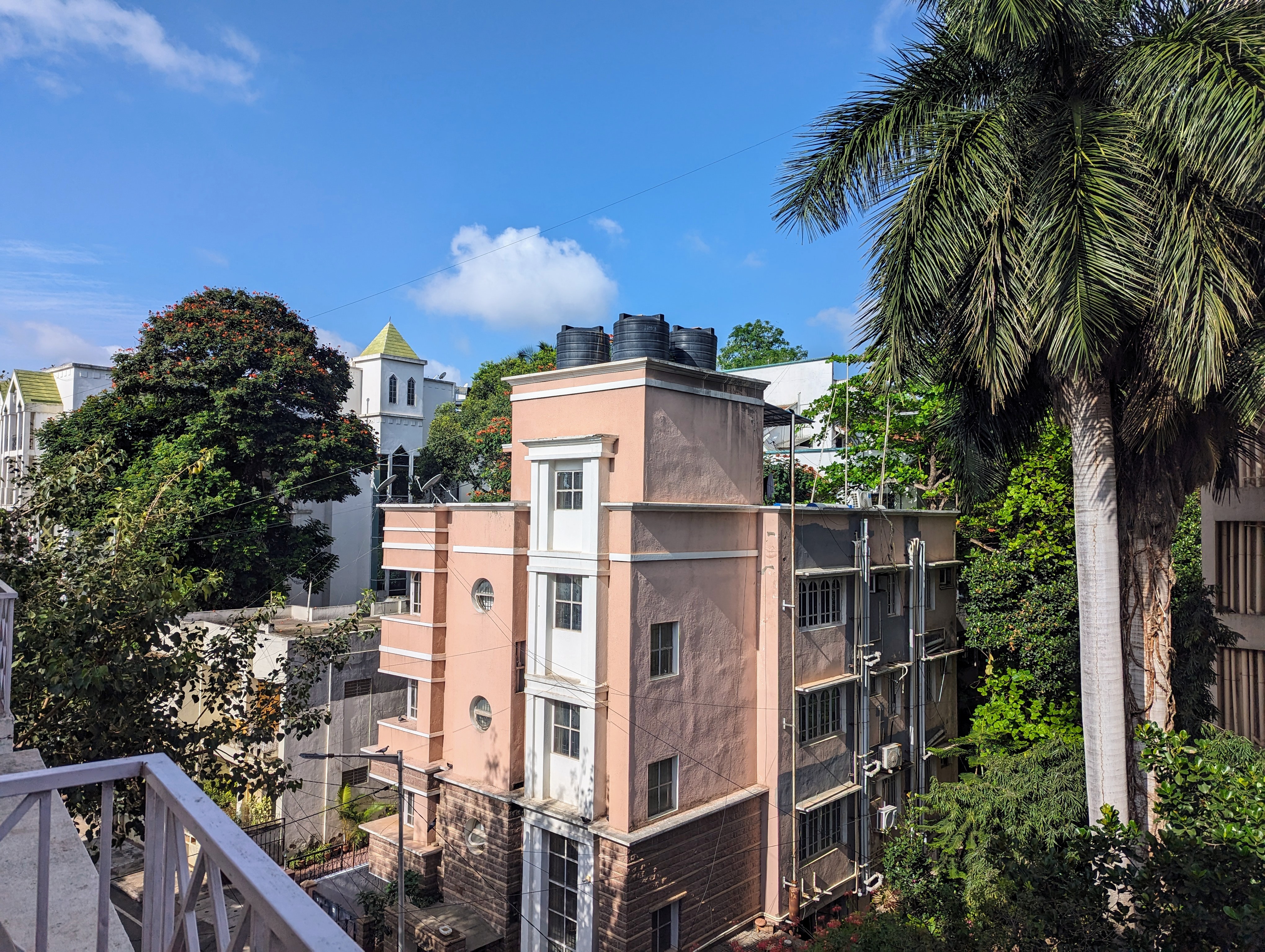
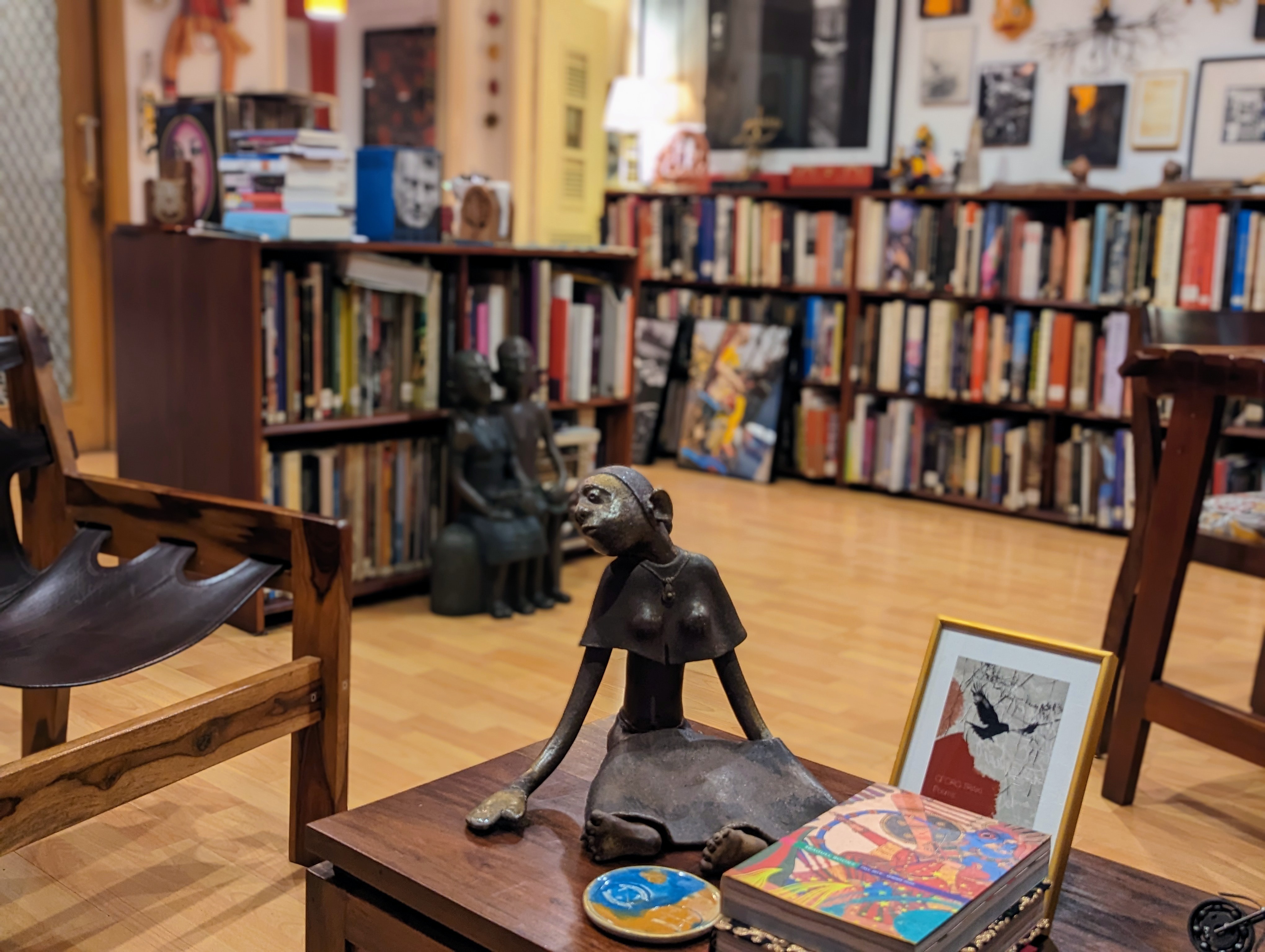
This past year was one of connection and reconnection. In mid-September I returned to India for the first time in four years—my first trip anywhere since 2019. As I made my way from Bangalore to Calcutta, Delhi, Pune, Mumbai, Jaipur and back to Bangalore, I enjoyed so many long and meaningful conversations over coffee and meals, and in cars, autos and trains, with friends old and new. I was looking for the inspiration and confidence to write again after a prolonged period of silence, and by the time I was getting ready to fly home I was beginning to feel a renewed creative drive. And then, the outbreak of conflict in the Middle East diverted my attention, shifted my reading, left me distressed and found me treading words with caution, shocked by the ability of apparently reasonable people to rationalize the massive destruction of infrastructure and indiscriminate killing of innocent children, women and men that we have witnessed these past two and a half months. Even now I know that whatever I say or don’t say, someone will take offense. This is the deeply fractured world we now inhabit.

Here in the northern hemisphere, the days grow longer as a new calendar year approaches; in the south, summer solstice marks the longest day of the year. What will we do with this light, that we either presently have or are eagerly anticipating? There is no condition—conflict, climate or clinical—that we cannot resolve, but, as human beings, we have to be able to do the one thing that seems to drive us apart over and over again: we have to recognize that every person is of equal value and deserving of dignity and life and commit to working together toward that end.

I will let you decide for yourself if that is a dream worth holding on to or justification for accepting that our problems are impossible to solve.

Photo by Joseph Schreiber

India update: Catching up with old friends, finally meeting others

Four years is a long time. Much has happened since I last visited this country. Since I last travelled anywhere as fate and pandemic would have it. Two-thirds into my stay and it feels like it has been a hectic time—not that I haven’t had free time, but I seem to find it hard to stay put on an empty day when a busy vibrant world awaits outside the door. And one doesn’t want to miss the chance to catch up with friends who are normally but a virtual prescience in one’s life. So, less reading and writing has been accomplished than I had anticipated to date.

I started my trip in Bangalore, a city I will return to before flying home to stock up on books. Weight restrictions on internal flights have meant that if I buy books, I risk not being able to get to my next destination. It surprises me how just a few slim volumes will tip the scales! And it’s always a pleasure to spend time with my very dear friends here at either end of my India sojourn.

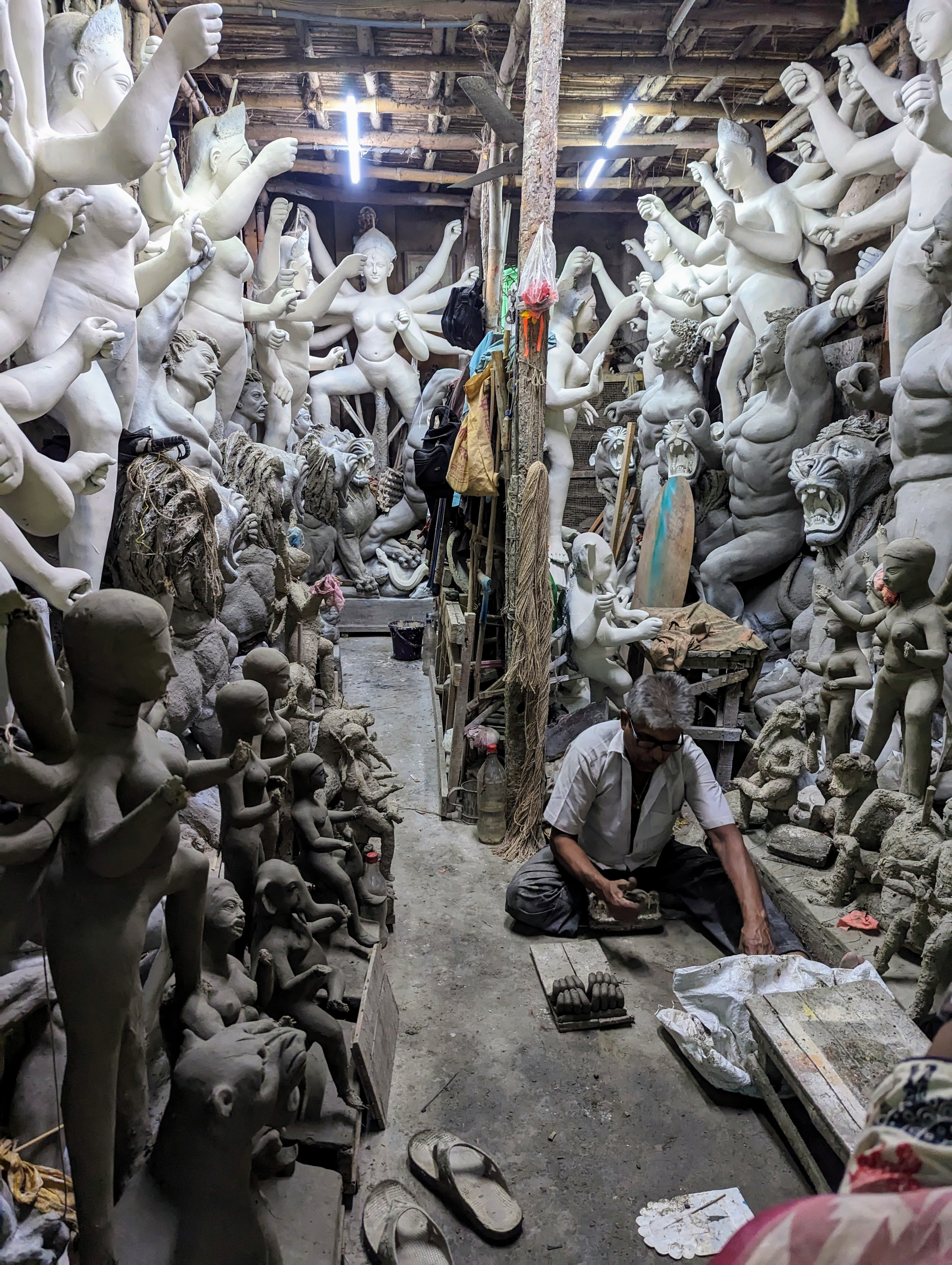
From Bangalore, I was off to the City of Joy, Calcutta or Kolkata, to the place (and the publisher) that first drew me to the subcontinent. Wet and humid beyond measure, it was my first visit outside the drier winter/spring months. But it was wonderful to see my dear friends at Seagull Books where I was able to play a small role in the creation of what will be another spectacular catalogue—this one tackling a vital theme for the times. I also had coffee with the couple who were my first tour guides in the city, this time meeting up with them in an area further south than I had been to date. I also made a pilgrimage to Kumartuli, the potters’ colony where craftsmen are busy making idols for the upcoming Durga Puja, Kolkata’s most important festival.

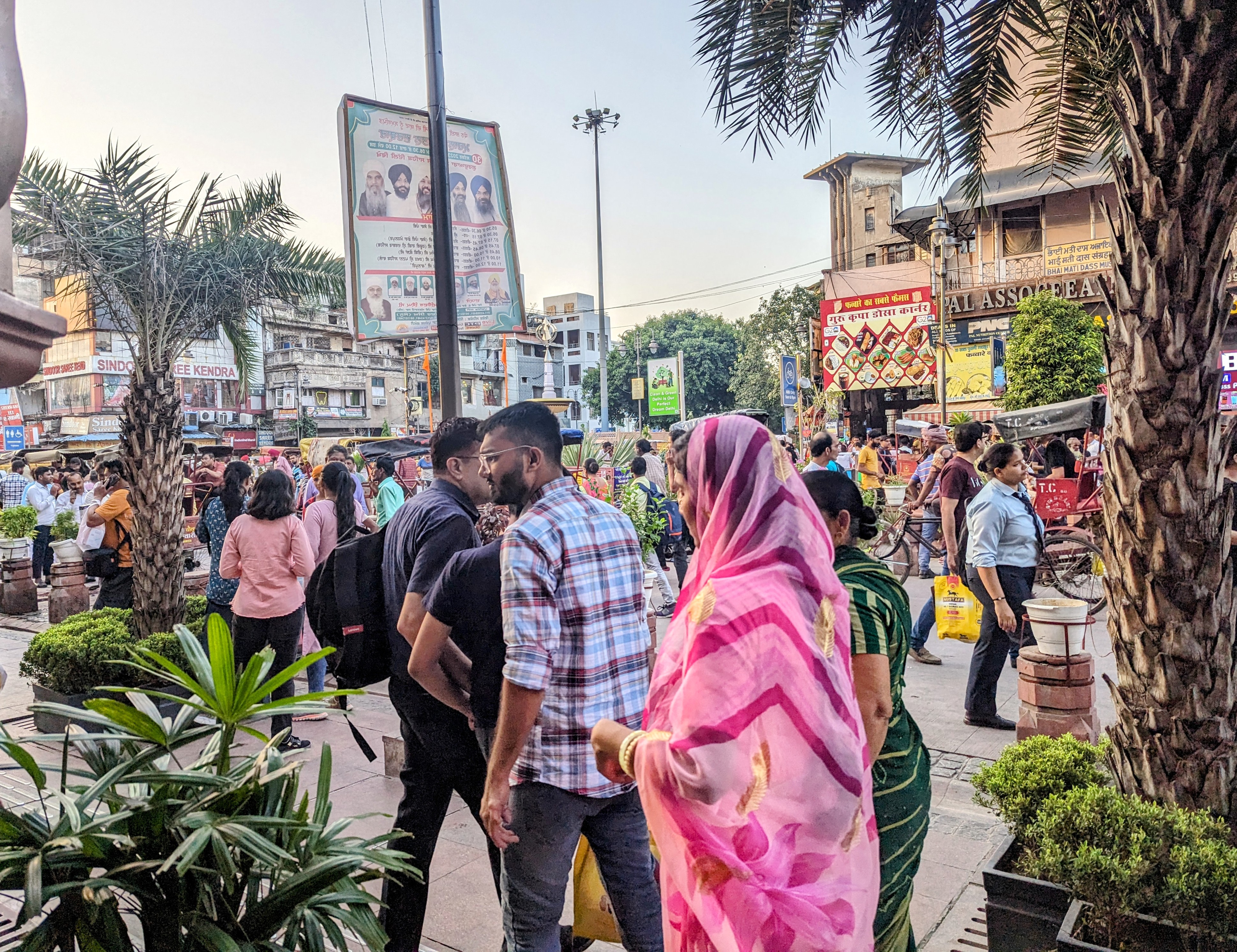
The next stop was Delhi, a short stay, but my first in the nation’s capital. I was met at the airport by a friend which was fortuitous because it proved difficult to get a cab willing to go into the congested area where I was staying. Subsequent forays in and out were facilitated by the Metro. On my first day in the city, the same friend escorted me to the university where he teaches and I gave a talk about writing book reviews. It was a very rewarding experience. The second day another friend took me into central Delhi where we had lunch, walked around, visited temples and enjoyed a most awesome lassi!

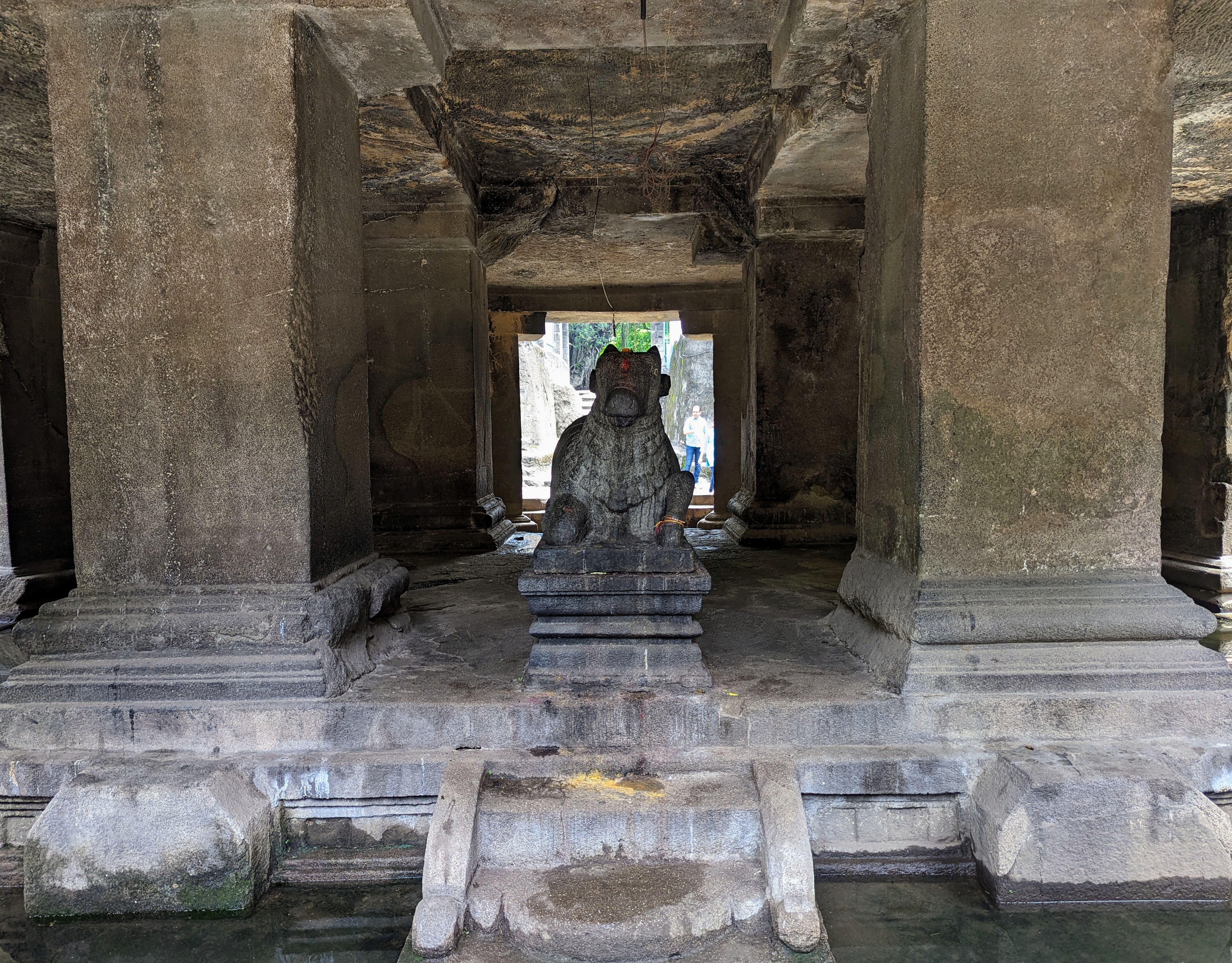
Then on to Pune, where I’m writing this on the final hour of my birthday. Here I caught up with dear literary friends and had a chance to finally meet someone whose friendship has offered solace during these long years of pandemic isolation. I also walked down to see the Pataleshwar Caves, the site of an eighth century Hindu temple carved out of the rock—a sanctuary within a busy city.

Tomorrow I fly to Mumbai for a brief stay then on to Jaipur where I hope to dry out a little after all the humidity of this extended wet season before returning to Bangalore. Whew!

It is good to be back in this hectic, vibrant country, even if I have arrived at a time of some diplomatic discord between my own country and India. I have never felt anything but welcome here.

The excellent books I’ve not been reading

As September began, with the prospect of a long-awaited trip looming, I had imagined I would have read and reviewed several new and recent releases before taking flight. Now it looks like these same books will be joining me on my way to India. I’d pictured myself only packing a few slender volumes so as to leave room to acquire more and still remain within the tighter weight restrictions of my internal flights. I should still be fine, of course, and I will still be able to fill up with even more books, so far as I can afford, before I head home from Bangalore. And, without even having to buy a second bag to get home as I have in the past.

It has been just shy of four full years since my last visit to India—in fact, since my last trip anywhere. I have spent hours sorting out flights, reserving hotels, making sure all my expenses at home are covered and making endless lists (which my toothless cat has mutilated on more than one occasion as he is inclined to do with my notebooks and sticky note reminders when I’ve recklessly left them unattended). I’ve also been invited to give a talk while I’m in India, so preparations for that have required my attention, as have an endless number of last minute errands. Considering how very busy I was prior to my last trip in 2019, it’s a wonder I got out of the door at all. Perhaps the enterprise of travel after the upheaval of the still-lingering pandemic is more precious and more precarious, and I don’t want to leave as much to chance as I did before.

Anyhow, the books I have been reading, each excellent in their own way, deserve a mention now should I not manage a proper review until I get back. I am not only a slow reader, but I’m an equally slow writer and I do hope to manage even a little personal writing while I’m away.

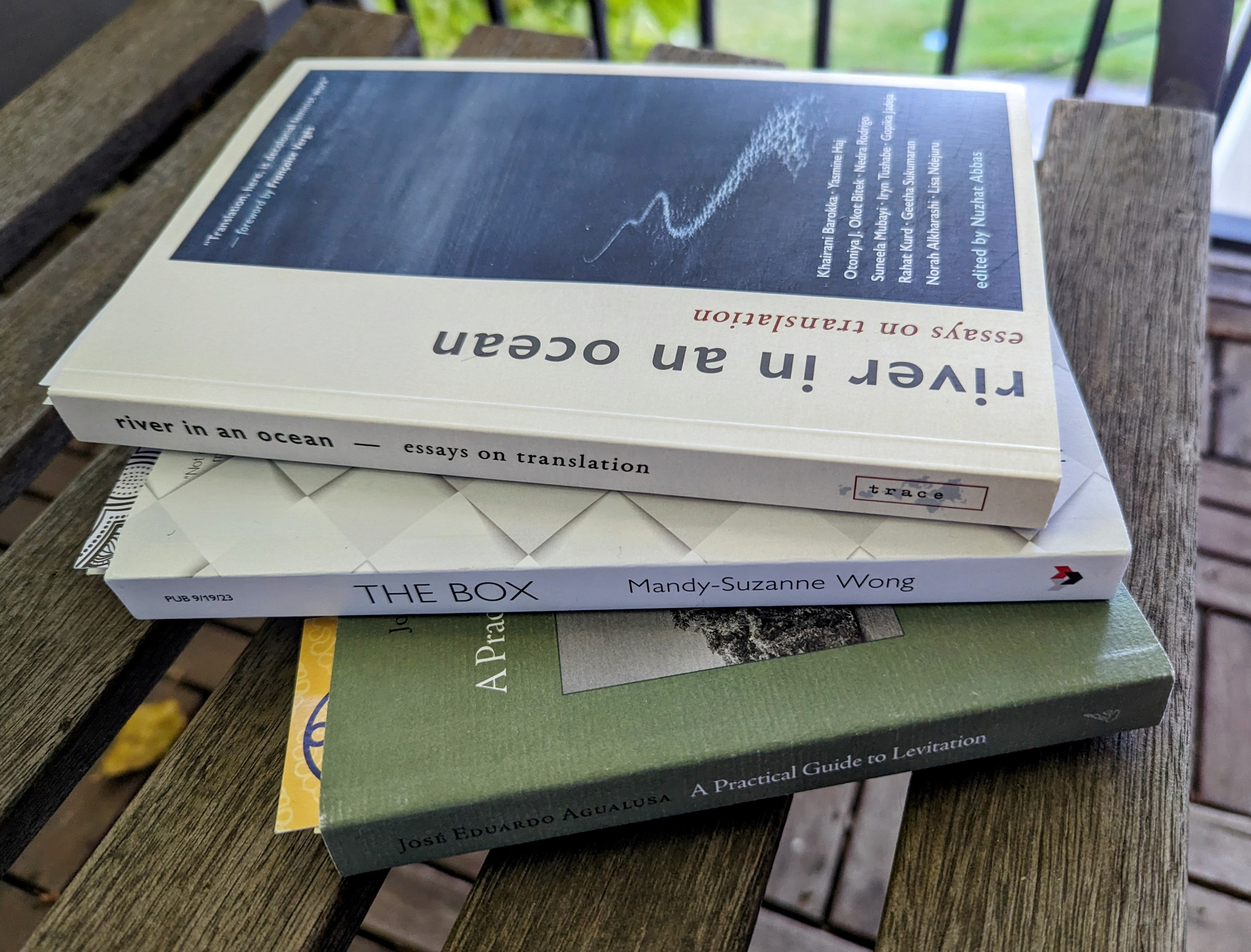
A Practical Guide to Levitation by José Eduardo Agualusa, translated from the Portuguese by Daniel Hahn (Archipelago) is a brilliantly fun collection of short stories set in Portugal, Brazil and Angola. For me, Agualusa’s eccentric characters and fondness for magical realism work so well in the short form.

The Box: A Novel by Bermudian writer Mandy-Suzanne Wong (Graywolf/House of Anansi Press) is a high-concept novel revolving around an enigmatic, unopenable box and the effect it has on those who come into contact with it. I’m only a couple of chapters in, but so far it makes me think of Czech writer Michal Ajvaz’s playful, intelligent postmodern fiction and I’m eager to see where it goes.

Finally, River in an Ocean: Essays on Translation, from the new Canadian publisher, trace press, is a collection of essays by poets, writers and translators from across the globe, edited by Nuzhat Abbas. These formally inventive pieces invite us, as the description advises, “to consider translation as a form of ethical and political love—one that requires attentive regard of the other—and a making an unmaking of self.” This project of decolonial feminism is a very important exploration of the intersection of language with questions of  identity, belonging, gender and sexuality, giving space to voices and perspectives that many of us might not hear or even consider otherwise. It is leading me to ask myself difficult questions about what my own interest in reading and promoting work in translation really means. And with many South Asian contributors I suspect this book would have landed in my travel bag anyhow—it seems only right.

Now, with only one day until I leave, I plan to continue to fuss over my packing, take a very long walk to celebrate the colours that will be gone by the time I get back and, with luck, get a little more reading done!