To write one’s self: reflections on the stories we have to tell

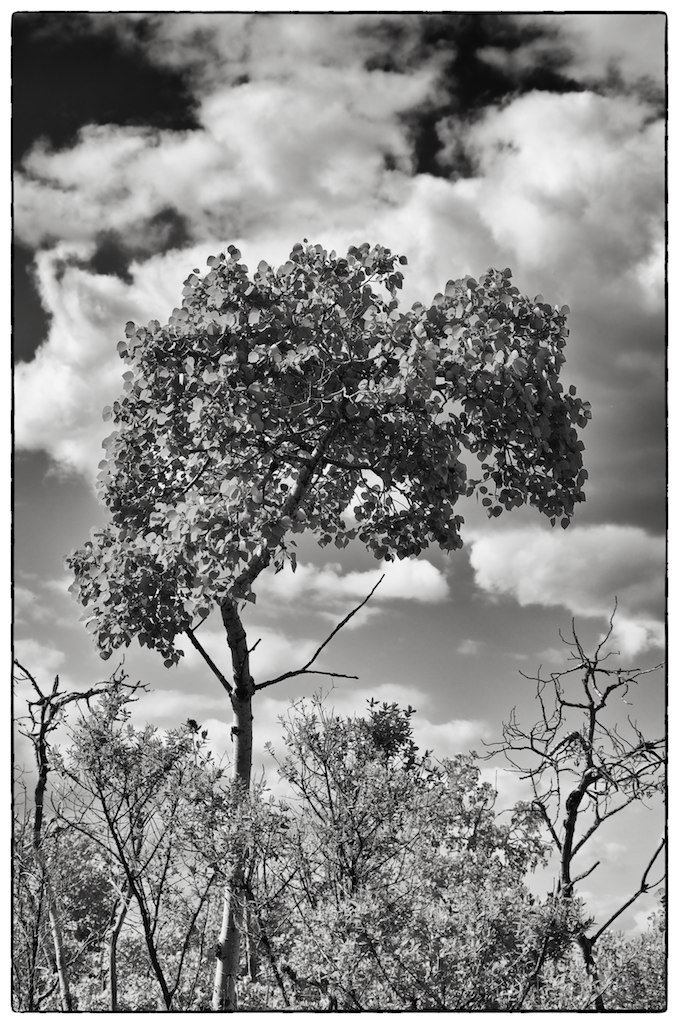
IMGP2473 - Version 2

Don’t write yourself
in between worlds,

rise up against
multiple meanings,

trust the trail of tears,
and learn to live.

             – Paul Celan


I have resisted the act of writing my self. Writing about myself. The conceit of imagining that my own experiences hold a value, interest or point of connection for others. I wanted to tell stories, inventions, creations that were removed from the inexorable ordinariness of my own life.

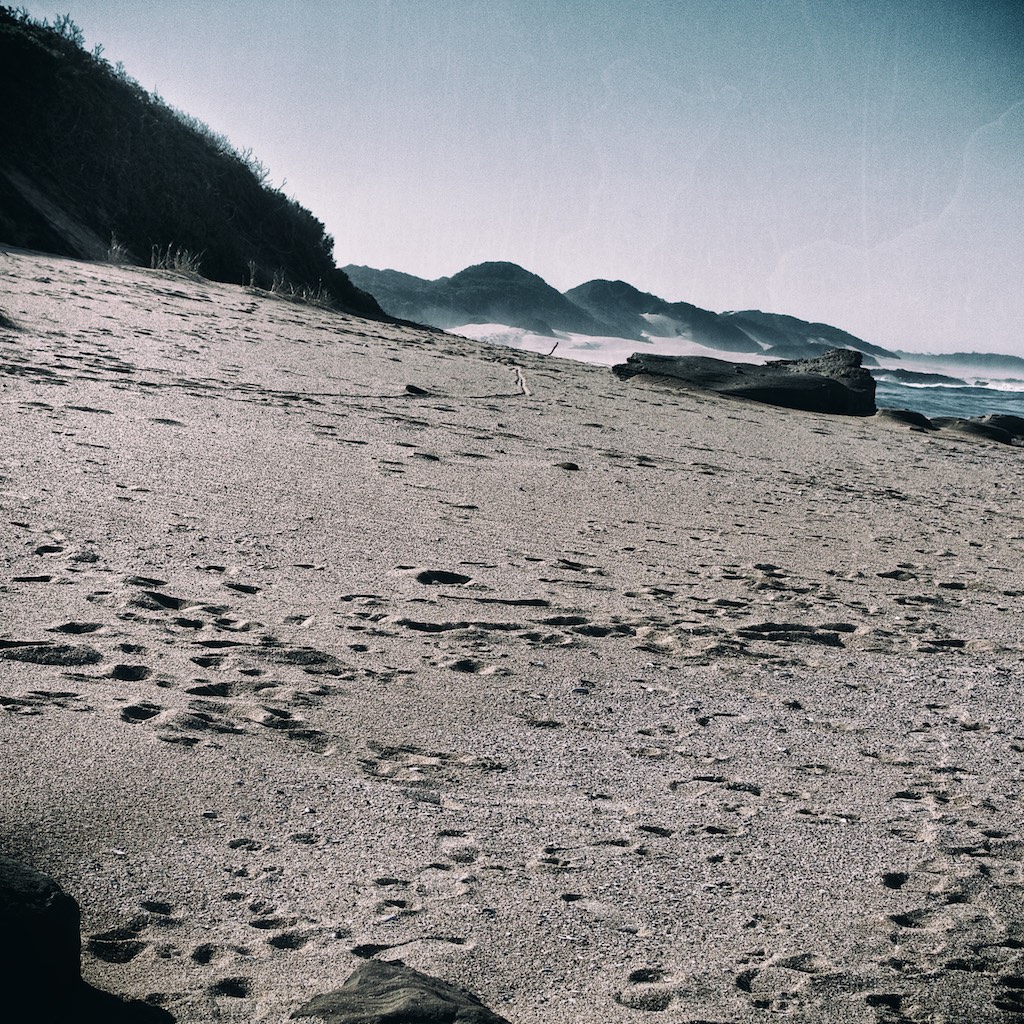
IMGP2477 (1)I am not sure I have that gift. I fear that all the stories I have that are worth telling are real. Not true stories. I do not believe there is an objective truth to the stories we tell ourselves or others. But they are real.

For many years I worked as a storyteller. Not in the conventional sense of the word. I worked with survivors of acquired brain injury and their families. Whether I was meeting with clients, advocating with professionals or leading support groups stories were my medium. I had hundreds of stories, I had a facility for remembering the broad details of the experiences of our clients and their families. Tales of courage, tales of horror, tales of the ordinary and the everyday. I was able to pull out an example whenever I required one to offer warning, hope, validation. And I was able to do so without revealing identifying details.

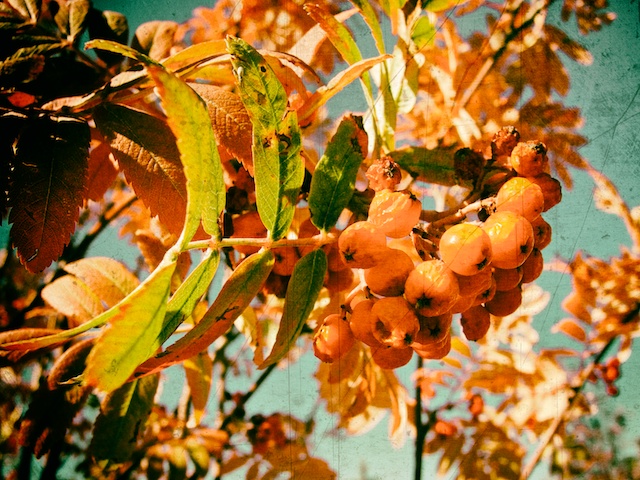
IMGP2465 (1)As always I was the master of ambiguity. After all that was how I engaged with the world myself. But what is essential in a professional capacity is crippling in a personal sphere.

I have touched at the edges of my own stories, in so far as I am learning to articulate them, in this space from time to time. And I am beginning to wonder whether it is a folly for me  to assume that I have the capacity to make up stories, to entertain with carefully constructed lies.

Or if this mess of a life that has piled up in front of me like heavy wet snow against a plow has to be cleared, examined, transformed into words on a page before I can even begin to figure out if there might be something here that someone else might want to read.

IMGP2461 - Version 2 (1)In the coming days I will officially be two months out from the night a blood clot very nearly took my life. My chest still feels tight, bruised and cracked ribs are slow to heal completely, but I can finally get out and walk with comfort – something that was still impossible a few weeks ago. Rat poison is my friend.

I took my camera out into the neighbourhood this afternoon. The foliage is turning colour, the sky is crystal blue, yet I found my attention turning to the cracks in the road, the fallen leaves in the gutters. I photographed the little things that caught my eye and tried not to think too much.


Further notes from South Africa: Wildlife and quiet times in the Eastern Cape

I have been in South Africa for just over a week now. It’s been an amazing opportunity to meet people and observe the country on its own terms. The closest I have had to a typical tourist experience has been our day trip to Addo Elephant Park. Nothing quite prepares you, on your first visit, for the sight of these huge majestic beasts looming ahead on the road, appearing out of the bushes. And there is so much more to see than elephants. We were stoked to encounter two young rooikatte along the roadside. These lynx are a rare sight at the best of times and we were able to sit and watch them for 15 minutes.

Rooikat
Rooikat
Addo Elephant Park
Elephant  – Addo Elephant Park, South Africa

The value of taking time to relax, soak in the countryside, meet fascinating individuals and spend quality time with my friend has been exactly the medicine I needed. In a few days I will make my way back to Cape Town for the much more urban, cosmopolitan side of my stay which will, in its way, be quiet and introspective. Cities can be good for being alone too.

Old sheep
Old sheep
Eastern Cape farm garden

My endeavour to gather more South African literature to bring home is going well. So far I have collected a stack of second hand books from a little shop in East London here in the Eastern Cape and have another stack waiting for me back in Cape Town. I have been digging through my friend’s bookcase for titles to look for here or back home and last night I was thrilled when my favourite author, Damon Galgut, won the Sunday Times Literary Award for South African fiction for his novel Arctic Summer. So, a fine literary excursion to date.

South African sunset - All photos copyright JM Schreiber
South African sunset – All photos copyright JM Schreiber

Otherwise it has been a relief to step back from my normally heavy engagement with news and social media. I did read with dismay about the terrorist attacks in France and Tunisia. I was relieved that my American LGBT brothers and sisters have achieved a long overdue milestone. But I came to South Africa in large part to put as much distance between myself and my life at home as possible for a few weeks and, for now, watching waves crash on the shore or sitting on the stoep and watching the sky burst with colour in the evening or listening to Breyten Breytenbach reciting poetry in Afrikaans is therapy of the best kind.

Solstice to solstice to solstice: A note from South Africa

Over the past year I have embarked on a journey that began, unexpectedly, with the recognition that I had allowed pressures at my job to consume me, to drive me to the very brink of a complete breakdown. It was summer solstice when I removed myself from the office, imagining at the time that I would soon be back and on track. I had no idea how sick I was and no real appreciation of how much I had sacrificed to work and children. Now, with work in tatters and children grown I wondered if I had really lived the full and rewarding life I imagined that I had. Finding myself (again) in mid-life has been difficult, dark and lonely – a task I felt ill prepared to take on.

But it has been the very best thing that could have happened.

From a very low point last December, winter solstice, my life has started to change in very real and important ways. A wonderful therapist and proper medical support have been crucial, while finding a supportive community has helped me start to move out into the world in an honest and authentic way. But, much to my surprise, blogging has opened up the world in a way I had not anticipated. I began with no clear objective, fueled with manic energy, spiraled into a little anxiety driven meandering as my world fell apart and solidified this year into a basically book focused blog.

Along the way I made a friend who has become a ballast for me – a touchstone, someone who understands the experience of navigating the storms of bipolar disorder because she rides them herself. Someone who is also queer. And an avid reader.

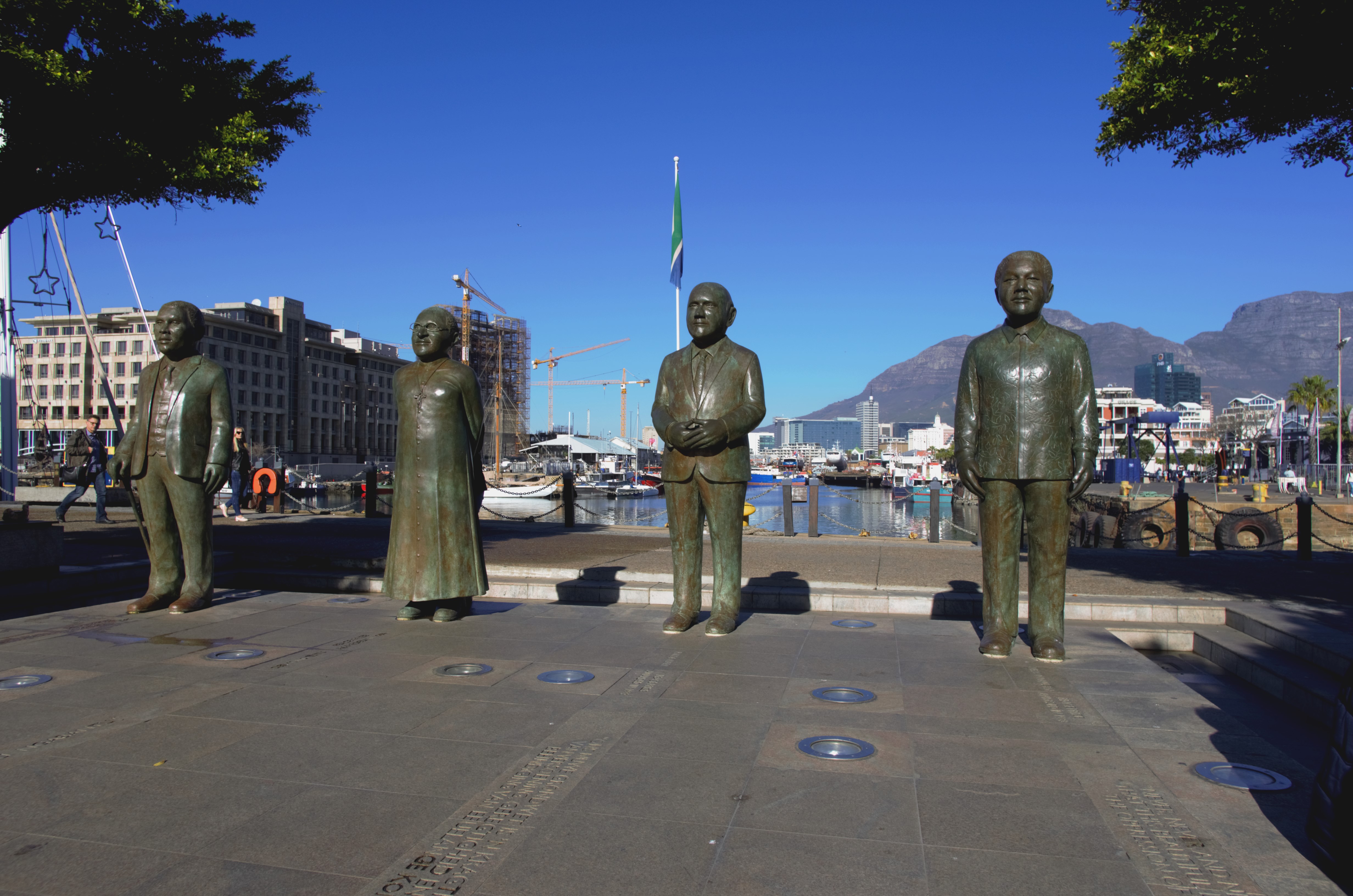
Nobel winners waterfront CT Indian ocean

However, getting together for coffee required a little planning. I live in western Canada, she lives in South Africa. And so I marked this past solstice, trading summer for winter, in Cape Town. Then I boarded a bus for the Eastern Cape province where I am now. I have long had an interest in South Africa, with the literature and history of this complicated and important place. The dust has not settled here.

My friend has given me a gift I will not soon forget. Our friendship has opened a space for us to explore our own personal journeys and to talk about our respective countries – to compare the differences and the similarities.

And I am also  guaranteed to arrive home with books.

Good words and a smile (oh and a good book too)

Wordfest, our annual literary festival is underway. After several months struggling with the fall out from a serious mental health episode this week is my first serious self test, my chance to explore my level of stamina and commitment. It is also an opportunity to spend time with people who love books and listen to great writers talk about their work.

I started with two volunteer shifts and some selected presentations I wanted to see and, as you might suspect, the volunteer commitment portion quickly expanded.

Am I exhausted yet? A little. I will likely sleep for a day when it’s all over but I have so desperately needed to get out in the world. Admittedly I am buffered with medication but the creeping anxiety stays in the car when I get into the venues.

Now if I can find a way for the medical system to prescribe a literary solution I might just be able to live with this bipolar beast. I just have to be able to afford to eat too!

Today has lifted my spirits more than I can remember in months. I had one single volunteer shift as a bookseller at one of the smaller venues, but I was nervous simply because I was expecting a panel discussion featuring one of my favourite authors. When I arrived to discover that the other writer had been forced to cancel at the last minute, the presentation had been redesigned as an hour long one-to-one interview with South African novelist Damon Galgut.

The host was scrambling but I could not have been happier.

American edition of Arctic Summer in case anyone is wondering -a nicer cover than the Canadian/UK I think.

I have always been apprehensive about meeting my heroes, for fear of disillusion. Nonetheless I had come prepared to have my books signed and hopeful for even a few words with a writer whose works I admire so much. Although we did have books to sell I noticed that I was not the only person who had arrived with their own copies of his latest work, Arctic Summer, already in tow. This novel is an imagined biographical account of the complex personal and emotional factors that led E M Forester through the extended  writer’s block that ultimately produced his greatest work, A Passage to India. As an historical novel it is a departure for Galgut (and one he admitted he would be in no rush to repeat) but rich with a deep affection for India and the driving forces of unrequited desire.

I confess I abandoned my post presentation bookselling duties early to make sure I didn’t miss out on the opportunity to have my copies of In a Strange Room and Arctic Summer signed. To be honest I have yet to see an unpleasant author at any of the events I’ve helped with, but it meant more than I can measure for Damon to take the time to, ask me about myself and encourage me that it is never too late to start writing. I am grateful for his kind words.

This experience, simple and important for me, has lifted my spirits in a way that feels healthier than the meds alone. It feels good to be human again. I have commitments with Wordfest right through until Sunday evening, but for now I am enjoying this warm feeling.

What fresh yellow is this? (With apologies to Dorothy Parker)

Typically I love autumn – the crisper weather, the bright blue skies, the excuse to pull out sweaters. Normally this is the busiest time of the year as new programs and courses start and activities halted for the summer resume. More than New Year’s, this can be the season for resolutions, goal setting and looking forward.

Copyright JM Schreiber 2014

Unless you are depressed.

Without the structure of work I feel lost. And unlike regular unemployment I am in a holding pattern, uncertain what type of work I may be able to return to when I do recover, if I recover, should I even recognize recovered if I meet it in myself.

I feel tired and agitated. Irritable and unfocused. I try to push myself out every day and have an exciting literary festival to look forward to in just over a week. Yet I am terrified that I have taken on more than I will be able to manage and I find myself fighting off regular amorphous panic attacks.

I feel like a wrung out dish towel. I miss having energy and enthusiasm but I have to guard against a reckless flood of these sensations lest they indicate trouble at the opposite end of the bipolar pendulum arc…

Copyright JM Schreiber 2014

For now I am looking toward the brilliant yellows of the moment. Apparently yellow is the colour of the mind and the intellect, it lifts the spirit, stimulates creativity but can also heighten anxiety and emotional instability.

Sounds like a bipolar hue to me.

Some ghosts have rougher journeys than others

- Copyright JM Schreiber 2012
– Copyright JM Schreiber 2012

O! WHY was I born with a different face?
Why was I not born like the rest of my race?
When I look, each one starts; when I speak, I offend;
Then I’m silent and passive, and lose every friend.

Then my verse I dishonour, my pictures despised,
My person degrade, and my temper chastise;
And the pen is my terror, the pencil my shame;
All my talents I bury, and dead is my fame.

I am either too low, or too highly priz’d;
When elate I’m envied; when meek I’m despis’d.
-William Blake, from a letter to his patron Thomas Butts, 1803

I first encountered these words in the months following my first manic breakdown in the late 1990s. With a diagnosis at hand I needed to understand its meaning so I read  the standard popular memoirs of the time. But I found myself drawn into the work of William Blake. Although many readers reject the notion that madness may have fueled his tireless creative energies, his hours conversing with angels and his periods of darkness – I found comfort in his artistic conviction even if he was destined to die without ever receiving the recognition of understanding he deserved.

For every person who successfully rises above the challenges of mental illness and negotiates the pitfalls of drugs and alcohol, there are those who spend their lives living rough. And others who lose the battle altogether. But Blake drew inspiration from his angels and demons with his loving wife by his side until the end.

Today is my birthday, and having found myself back trying to figure out what I am supposed to learn from this second mania and unexpected fall from grace, Blake’s lament has a special resonance once again.

But this time I am reflecting on a very different face than that which I confronted 17 years ago. From the time I was very young I could not make sense of the face with which I was born. The eyes that looked out from within that visage threatened to give me away. The body I struggled to feel at home in never felt like mine. The girls I befriended seemed like aliens and, with no other explanation for my discomfort I assumed that I had never learned the tricks, never tried hard enough.

The idea that gender or identity could be misaligned never occurred to me when I was growing up. At least not in the context I needed to hear. And when It did start to seep into my awareness I was already well into marriage and motherhood. It was a complicated comfort to realize that there was an explanation for my feelings. It was even more terrifying to know what to do with this information.

I know well that my mood disorder runs back through my family, that it has a genetic basis somewhere. I have no idea what course it might have followed without this added sense of being out of step with rest of humanity. But my hospital psychiatrists were certain that my apparent gender dysphoria was simply a psychotic symptom that would resolve itself with the right dose of lithium.

They were wrong of course. Now, 17 years later, the average looking middle aged man who confronts me from the mirror is not special, but he is one I feel at home with. For many years I thought that was enough, as if I had found the magic bullet, the key to moving forward on all fronts. My family have been supportive, I recreated my identity and built a new career.

But I still found that the manic-depressive monster has followed me all along. Making sense of recovery this time around, I find myself doubly invisible. Behind a face that accurately reflects my sense of self identity, is a whole life I cannot fully share. Talking about being bipolar has been the easy part.

But moving forward from this birthday, I want to find a way to be whole.

Haunted by the unanswerable

Under the bipolar microscope, The who am I? question becomes Which me is me?

The depressed world weary me? The hyper productive hypomanic me? The over the edge manic me? Or that nebulous normal, somewhat sponged and effectively medicated me?

Or possibly all or none of the above.

I don’t remember exactly when I first started to swing between up and down, enthusiastic and anxious, outgoing and withdrawn. I suspect I didn’t really begin to articulate the patterns until my early 20s but I am sure the tendencies were there much earlier.

I was an awkward kid, lonely and odd. My brothers had friends in a our rural area but there was no one my age. I was frightfully shy and unpopular at school. I lived for books and music.

And it was music that offered a hint of another world gleaned through the Sunday edition of the New York Times that arrived each week, belated and a little worse for wear. Although I existed in a place where 70s rock bands dominated the radio and occasionally passed through, New York City was home to The Ramones, Patti Smith, Lou Reed and so much more.

For someone so miserably out of step with others, confused by questions of identity and smart when smart was not something to be, New York seemed like mecca. It was, after all, the city my mother came from and where my parents met even if we had ended up in another country some 2000 miles to the west. I was not the only isolated kid hunting out obscure copies of Velvet Underground albums back in the late 1970s, but in my hometown at the time I sure felt like it.

My mother tried hard to provide me with extracurricular activities upon the advice of a guidance counsellor who had picked up on my round-peg-square-hole. I started with drama lessons and moved on to guitar lessons. Not a natural musician like my son, I needed all the lessons I could get. My teacher was patient, guiding me along from “Jingle Bells”, through a year or two of classical, but his heart was with blues. Not a good move. I was too self conscious to jam and too bored to play twelve bar blues runs ad infinitum. So one day he asked me to bring an album and play for him something I really wanted to learn.

I arrived the next week with The Velvet Underground and Nico under my arm and played my favourite tune, “All Tomorrow’s Parties”. My teacher’s face fell.

That’s just discordant, he told me. I can’t do anything with that.

It was my last lesson.

The timelessness of that album and its influence on decades of musicians has amazed me. Both of my children even fell in love with it in their own time. And in honour of Lou Reed’s death an ensemble of Canadian artists from rock starts to opera singers and our own musical astronaut performed a tribute concert.

This most amazing cover of “All Tomorrow’s Parties” takes me back to a space before my mental health started its slow unraveling and reweaving of my self identity to bring me here. When I listen to this I feel like I am beginning to come full circle. Much older, much wiser but still figuring out who I am.

Enjoy.

The right book at the right time: Just Like Someone Without Mental Illness Only More So

“There are no people anywhere who don’t have some mental illness. It all depends on where you set the bar and how hard you look. What is a myth is that we are mostly mentally well most of the time.”
– Mark Vonnegut, MD 

A couple of years ago I happened to hear an interview on CBC radio, as part of a series on mental illness. I was, at the time, of the mind that my own issues with mental illness were well managed. A present fact but a distant reality. However, something about this conversation stayed with me.

The guest was Mark Vonnegut, son of the late author Kurt Vonnegut Jr. Mark grew up in Cape Cod, in the years before his father’s writing brought fame and fortune. I listened with interest to his very personal account of how, despite diagnosis with a serious mental illness, he applied and was accepted to Harvard Medical School. He went on to become a respected pediatrician. After my breakdown this summer I debated returning to the the fine accounts, like An Unquiet Mind, that had originally guided me to an understanding of my newly acquired label. Then I remembered Mark’s memoir Just Like Someone Without a Mental Illness Only More So and within minutes it was on my Kindle. But I only decided that I really needed to read it this weekend as my symptoms and anxieties continue to persist.

7816284Mark writes in an honest and matter of fact way about the trail madness has left through his family, tracing a legacy of depression, suicide and alcoholism going back generations. His mother heard voices and received message from license plates but once the episode passed she was able to rationalize it. When Mark’s aunt and uncle died within a month of one another leaving four troubled orphans, his parents took them in even though they had neither the money nor the capacity to manage. His oddly prescient mother had been stockpiling supplies for their arrival in advance, as her helpful voices had advised.

Mark was a loner spending a lot of time fishing and playing imaginary games in the woods around his home in Cape Cod. The oldest child of the family he grew up poor in the fallout of the the Depression. His father was a ineffectual used car salesman for many years. Mark was 21 before his father became a rich and famous author seemingly overnight.

Caught up in the hippie movement of the 60s, Mark followed many of his peers to Canada to join a commune in BC. He lived off the land, contemplated the meaning of life and experimented with drugs. And that is where he first encountered his own voices. In 1971, at the age of 23 he experienced three major psychotic breaks that landed him behind the locked doors and plexiglass windows of a Vancouver hospital.

“Among the things I grew up thinking about mental illness was that it was caused by other people or society treating you badly.I also knew that once people were broken they didn’t usually get better and the ones least likely to get better were paranoid schizophrenics, which is what I seemed to be.”

Retrieved by his father, Mark returned to the US where, with ongoing treatment, he continued to recover. The voices faded to the background. He published a book about his experiences and articles advocating for an understanding of mental illness as a biochemical condition, in strong opposition to the RD Laing inspired philosophy that was popular at the time (and has recently resurfaced). Somewhere along the way he decided that he wanted to go to medical school himself. Against all odds, and with pathetic math and science marks, he applied to one school after another. Incredibly Harvard gave him a chance.

Over the years that followed, Mark dedicated himself to his studies and his internship. By this point he had recognized that he was bipolar (not a schizophrenic who responds to lithium as he had been told), but even then, the schedule of an intern is grueling. During these years he also married, bought a house and started a family. The model of normal and healthy he figured his mental health issues were history.

Then 14 years after his third psychotic break, several years into a successful pediatric practice, the voices returned to taunt him. The trigger was his realization that he was fueling his high stress schedule with a two pack a day smoking habit along with 5 or 6 beers, half a bottle of wine, a few shots of bourbon and a sleeping medication to round off the day! Hardly a surprise then that his effort to quit cold turkey should trigger a psychotic break.

Although he sensed things were falling apart he resisted seeking help in a hospital. Driven by an absolutely irrational fear planted in his head by his voices he attempted to throw himself through a third story window. The window smashed but he fell back into the room. Unfortunately he ended up in a straightjacket on a gurney in the hallway of the very hospital where he had completed his internship and taught a course.

Although my own manic resurgence following an extensive period of wellness was somewhat less dramatic than Mark Vonnegut’s, it is only a matter of degree. Yet in time he was able to return to work and it has now been more than 25 years since his last manic break. His ability to rebuild his life and career even in the face of abject humiliation is an inspiration. And I am fortunate that I have neither smoking or alcoholism to contend with. But his story stands as stark reminder that with bipolar you must take the medication that keeps you stable and monitor your own level of energy. If we become complacent we risk an unwanted replay, no matter how long we have been well.

This book was published in 2010, so It was not available when I was first coming to terms with my diagnosis. Perhaps if I had read it when I first heard the interview I might have been able to head off my more recent experience. But then again, a manic person is a slow learner because that high just feel so good. Especially in contrast to the draining and  despondent opposite end of the cycle.

I would recommend this memoir to anyone interested in mental illness, especially those who understand what it is like to experience psychosis. Its casual, relaxed style makes for an easy read but, as a practicing physician, Vonnegut has some depressing observations about the decline of health care in his own country. Most importantly though, he leaves those of us who live with mental illness with a sense that we can get better, we can stay better and if we fall, we can get up and move forward.

That is exactly what I need to remember right now.

Thoughts about redemption

Copyright JM Schreiber 2012

“Emancipate yourselves from mental slavery;
None but ourselves can free our minds.
Have no fear for atomic energy,
‘Cause none of them can stop the time.
How long shall they kill our prophets,
While we stand aside and look? Ooh!
Some say it’s just a part of it:
We’ve got to fulfill the book.

Won’t you help to sing
These songs of freedom? –
‘Cause all I ever have:
Redemption songs.”

This song by the late Bob Marley has echoed in my mind frequently over the past month or so. Written after the diagnosis of cancer that would ultimately claim his life, it is thought to speak to his personal reflections on mortality. My own longing for redemption relates directly back to my inability to resolve the circumstances which led up to the extraordinarily manic behaviour that marked my final days in the office. And my inability to let it go.

What is redemption?

Disregarding the financial and transaction contexts by which the term is used, redemption is typically understood as:
n.
1. an act of redeeming or the state of being redeemed.
2. deliverance; rescue.
3. deliverance from sin.
4. atonement for guilt.

Looking at the news over the past few weeks, there are some very public examples of behaviour that can not be easily excused. The videotape of NFL star Ray Rice punching and dragging his unconscious fiancee from an elevator, the resignation of a Vancouver CEO caught on video kicking and abusing a puppy, and most recently another NFL player accused of excessively brutal corporal punishment against his own children are just the latest in a litany of public figures behaving badly. Unfortunately, they might have been met  with relatively minor reprimands had there not been videotapes or pictures and an element of public shaming.

How many sports heroes, businessmen, politicians and celebrities have been brought down by grossly inappropriate, violent and even illegal actions only to eventually find redemption in the public eye? Many, have found such redemption more than once.

But what if your only “sin” is to have become ill due to a mental health disorder, where does redemption come from? I don’t even know what I want anymore. I have tried to apologize for my behaviour which I know was highly agitated and unpleasant, but there is no way to explain how trapped I was within that state,how miserable and unable to even know what was happening to me until a lot of interpersonal damage was done. Because no one from work will communicate with me I cannot have that conversation, no one can appreciate the degree to which I am still struggling and I can’t stop beating myself up inside for not recognizing the warning signs months before mania was in full swing.

If this was as straight forward as having lost a job, as much as there is grief and loss, I could at least busy myself with looking for a new job. But I am still technically connected to my employer and the question of return is unspoken but not denied. Meanwhile I am not able to function well enough to look for another option or contemplate a return. I am also increasingly aware that everything I loved about the job I had is exactly what, over time, made me ill.

The fact is, I am in limbo. I still have a lot of healing ahead. So why is the desire for redemption so important? Or is this really more the need to be heard and understood?

Isn’t that what we all seek in the end?

Negotiating tangled emotions

The aftermath of madness leaves its own measure of grief.  Because the manic end of the bipolar experience is by nature expansive, the episode is rarely one that occurs in isolation. At the very least, strange, anxious and pressured calls are made. Sometimes to strangers. Sometimes to those you know. Friends and families may observe the cracks as they start to spread. The first tremors may be intermittent. They can look like occasional or periodic moments of stress – the bad days anyone can have. When things start to spiral out of control I suspect it is already too late. For the person inside the experience, the pressure, the racing thoughts, the inability to sleep or find relief from the escalating crisis becomes a space in which all perspective is lost.

And generally there is damage.

At the most severe there can be serious physical harm, violence toward the self or others. More typically major manic episodes impact relationships, bank accounts or jobs, sometimes beyond repair. Yet in the middle of it all is a person who is very ill, who will need time to recover physically and emotionally for whom there is frequently very little understanding or sympathy. Especially when they are isolated.

14629062611_de5f459467_zAs I struggle to cope with the rotating cycles of sadness, embarrassment, anger and fear following my recent breakdown I am aware that because no one from my workplace has contacted me, no one has any idea how severely ill I have been. They just remember the last days of fractured functioning before I was finally able to get away from the office. Four weeks later I am exhausted, still unable to regulate my sleep and uncomfortable driving beyond my immediate neighbourhood. When I am deemed well enough to return to work my employers will be able to imagine this “illness” was all a convenient ruse and I have reason to believe it will be held against me. The nine years I worked there and the senior management position I held under increasingly toxic work conditions will mean nothing because it was always an environment in which your work was never acknowledged or appreciated. My mistake was to care enough to stay because I believed in the work we were doing.

The emotional roller coaster is the worst. It is interfering with the comfort and enjoyment I have always found in reading and photography. It finds me moaning and wallowing in self pity when I’m not trying to push grief and anger behind me. And my young adult kids and 80 year-old mother deserve a break from having to listen to it all.

And I would much rather be blogging about books and ideas, not the black heartache of depression.