Halfway through 2025: Less reading, but hope for the future beyond the page

Somewhere in the city last night there must have been fireworks, officially that is, I’m sure illegal sparklers were also fired. It was Canada Day, after all. July 1. This same holiday back in 1987, marks the day I finally quit smoking for good. I’m quietly hoping that this year July 1 will be remembered as the day my son quit drinking. We’ve stood at this precipice so any times before, I’m almost afraid to believe it might be true. I’ve said it before, I know, but this time really feels different.

The last few months have been especially difficult. In May my son’s computer was hacked. We stood in horror and disbelief, watching as the hacker systematically and openly carved his way through programs while outside no less than five firetrucks descended on the building next door. The excitement at the neighbours’ subsided, but in our home the damage was done. A text to my daughter, whose boyfriend is a computer tech, provided guidance for the initial security steps, and by the weekend the virus was isolated, the hard drive wiped, and rebuilding was underway. But for my son, a tidal wave of anxiety had been unleashed. And it continued to build. His preferred remedy, as it has been for the past fifteen years, was to drink more than ever. He is thirty-five.

Over the years, I’ve learned the hard way that it does no good to confront him or to overreact. Begging, bribing, and passive aggressive accusations are counterproductive. Or worse. Now that his other parent has been diagnosed with high blood pressure, diabetes and, after repeated small strokes, early onset dementia (and this without a history of alcoholism), the medical risks of his addiction have taken on a new intensity. But the thought of facing panic attacks “alone” and the very real nightmare of withdrawal have long stood in the way of any true desire to quit. Each time I’ve suggested he seek support (something that he has tried over the years, of course) I see that the legacy of his abysmal experiences in the child and adolescent mental health system run deep. And I cannot blame him at all, I’m still angry about the way he was mistreated.
However, something changed in the past few days. Suddenly beer no longer tasted good. No longer provided relief. Made him feel ill. Frightened by the symptoms, he finally agreed to call the public health nurse and after assessing his condition she recommended  he go to the hospital emergency. So that’s where we were when fireworks rang out, and where we were until after three o’clock in the morning. At one point my son insisted we leave as no one had been called in to see a doctor since our arrival, but I insisted he inform the triage nurse and when she saw him he was experiencing serious symptoms of detox. She convinced him to take some medication to help him relax and before long his name was called.

I stayed in the waiting room, hoping to finish the book I was reading. I only had about 20 pages to go when we arrived (in fact, I tucked several books in my pack figuring I would be moving on to something else before the night was out). But then a couple arrived and the woman started listening to an evangelical sermon aloud, on her phone. Stressed and tired, I could not shut it out. I thought, God gave us headphones, surely you could use them. Fortunately, it was not too long before I could go back and join my son.

Now, the road he has ahead will not be easy. He has been drinking so heavily on a daily basis it is no less than a miracle that his blood work came back as good as it did. He has been prescribed medications to reduce cravings and protect against seizures, but he doesn’t seem keen on the side effects (which unfortunately are not unlike the withdrawal symptoms). For someone who has admittedly self-medicated for so long, my son is skeptical about anything that comes from the pharmacy. All I can do is support him with patience and love. This is the first time he has sought medical support, fully and openly admitting to his circumstances, and I am so proud. And cautiously optimistic.

The strain of living with an alcoholic takes a toll. Over the last month and a half I have been distracted, stressed, irritable. I could see that things were escalating, that my son was not coping, but I knew that he had to be ready to take things into his own hands. Meanwhile, I’ve struggled to focus on reading and writing, moving through words at a glacial pace, picking up and putting down book after book after only a few pages. Funny, but only the dream-filled madness of Zuzana Brabcová’s novel of detox, Ceilings has consistently cut through my own anxiety. If I can see my son safely through the next few days of early detox, maybe things will finally be back on track for me—and on to a new future for him.

Note: I debated whether I should write this or not, but decided I needed to put it out there.
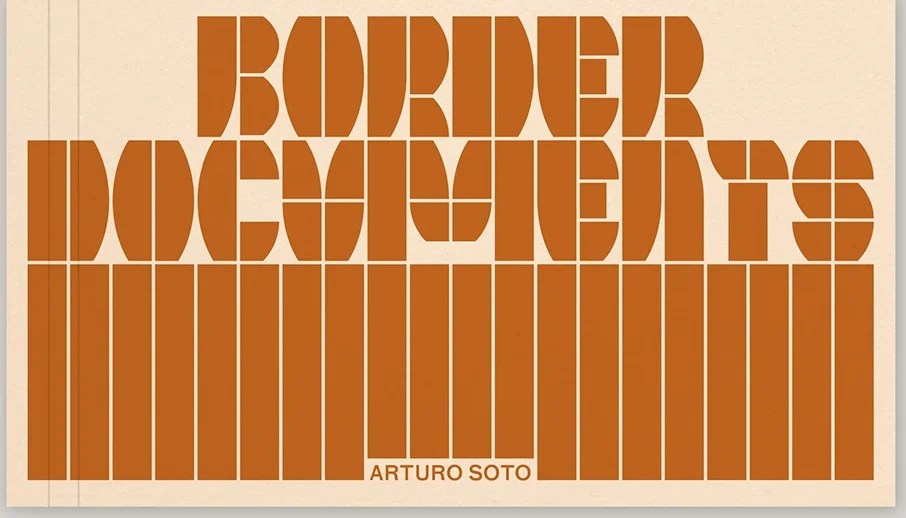
What the streets cannot retain: Border Documents by Arturo Soto

Considering the escalating tensions on the Mexico – US border, heightened even more under the present American administration, Mexican photographer and writer Arturo Soto’s new photo book, Border Documents, is an especially opportune release. The images belong to today; the texts to another time. The late fifties through the late seventies, to be exact. They reflect the environment in which his father grew up in the deeply entwined sister cities of Juárez, Mexico and El Paso, Texas. That world has been irrevocably altered by social and political forces over the past three or four decades, but this uniquely personal project sets out to attempt to “see” echoes of a remembered past in the urban landscape of today. The challenges arise not simply from the passage of time, but from the reputation, both earned and exaggerated, that this area now bears. As Soto points out in his Afterword:

People acquainted with Juárez, particularly those outside of Mexico, tend to know it for its infamies. The femicides of the late nineties cemented an infernal image of the city amply propagated in pop culture. A few years later, the ‘war on drugs’ further precipitated the erosion of civic life, which encouraged the media to focus its attention solely on the gruesome side of things. Such a narrow understanding renders everyday life invisible, putting it at risk of being lost. The past cannot be restored, but it can be conjured for insight to understand past and present lives.

The presentation of Border Documents is clean and spare. (See selections here.) Two-tone school photos of the senior Soto from the sixties and seventies line the inside of the front and back covers. Stark black and white photographs, taken in Ciudad Juárez and El Paso in 2016, appear as almost ghostly images of the streets and neighbourhoods of his childhood and youth. They are characterized by harsh light, sharp angles, lonely vistas. Parked cars are common, but few people are in sight (notably there is one where the photographer’s shadow stretches out from the lower right corner). By contrast, the accompanying vignettes are populated with a vivid cast of friends, classmates, grandmothers, siblings, parents and other relatives. The juxtaposition of the chronological collection of memories, anecdotes, and musings filled with life in all its shades of joy and discontent against contemporary images of the settings where they once took place demonstrates the complex reality of the environments in which we grow up and the degree to which they are both preserved and lost over time.

A case in point, border crossing. Apart from being a source of employment opportunities for Juárez residents, legal or not, El Paso was also a destination for amusements, such as a trip to the zoo, or, more commonly, a place to acquire goods and access services otherwise unavailable at home. An early memory from 1958 captures a child’s early impressions of the experience:

We took the transnational trolley to shop at JC Penney, everyone’s favorite store. The journey felt tediously long despite the short distance because of the long immigration line. They even forced some passengers to get vaccinated before letting them in. Overheard conversations had led me to believe things were much nicer on the other side, but everything looked more or less the same once we reached El Chuco. Over time, I found reference points that sparked my imagination along the route. Some of my favorites were the old customs building, the Spirit of St. Louis replica above a cantina and the clay figures of sleeping Mexicans flanking Don Marcos Flores’ house. A former municipal president, he had a gift shop close to the Santa Fe bridge. My grandma Esther cashed the money my aunt wired her from Los Angeles there. Don Marcos, always at the entrance, greeted her by name, which made me feel distinguished.

However, the photograph that faces the above memory depicts, from across the cracked pavement of West 4th Avenue, a plain, all-purpose structure with its available services painted right onto its front wall in English and Spanish—Copies, Fax, Foto, Income Tax, Public Notary, Medicare, Medicaid. Hard to picture such a destination sparking a child’s imagination today.

Some of the photographs captured appear to closely align with the accounts of the relative freedom afforded by a makeshift cement and brick playground in a barrio defined by specific streets and bridges. Perhaps these scenes are little changed with time. Of course, not every photo has a story, though each one has a location indicated. Likewise, not every story is matched to a photo. Soto’s father’s anecdotes carry enough humour, wisdom, and empathy to form vivid portraits on their own. He recalls, for example, a near spiritual crisis on the occasion of his First Communion with his sister Elsa in 1963. His mother was able to find him a second hand outfit and, with luck and a generous repayment plan, a most elegant new dress for Elsa. Simply clothing the outside, however, was not enough:

My peace of mind and the purity of my soul proved harder to secure. Some distant relatives were in town, and my cousin kissed me while playing a game. I felt very conflicted. This happened after my confession, and we had just been instructed on the consequences of receiving communion in a state of sin. I went back to the church and explained myself to the priest. He laughed and made me promise not to do it again but assigned me no penance. Liberated, I bought an orange from the market, feeling closer and closer to heaven with every slice I ate.

Life was not easy—along with the typical boyhood and adolescent adventures, and misadventures with friends and siblings, there was an alcoholic uncle, a father inclined to infidelity and other challenges—but the reflections Soto’s father shares show a distinct compassion or understanding, even if it is filtered through an adult’s appreciation of his younger self. One can see why his son who grew up listening to his stories would be inspired to encourage him to engage in this project even if some memories would be destined to transcend the physical spaces in which they were formed:

I keep a sad memory of the Cine Reforma. I watched there El Señor Doctor when Cantinflas was at the height of fame. Since overselling tickets was standard, I had to watch it on my feet. At some point, I thought I recognized someone a few rows ahead, but it wasn’t until the credits rolled that I made out my uncle Carmelo, a subject of constant gossip in our family. My dad used to say that his sister, the fearful Aunt Berta, would seize Carmelo’s salary. On Sundays, she would give him just enough for a newspaper, a shoeshine, and a movie ticket. I always thought my dad exaggerated the situation, but I confirmed my uncle’s capitulation was true that day.

As in Arturo Soto’s earlier work, a strong thread of social commentary is woven into the relationship between images and commentary. He is drawn to challenging the existing assumptions about a place by focusing on the ordinary to expose the everyday reality overshadowed by the outsized image an urban centre may otherwise project. His last work, A Certain Logic of Expectations (see my review) was the outcome of his time spent studying for his PhD in Fine Art at Oxford University during the BREXIT years. But rather than focusing on the famed campus environment, he turned his camera on the other Oxford, the working class community that belongs to a geographically larger but psychologically and socially distinct space from the hallowed University environs. Of course, he views this world from the perspective of a Mexican outsider who can’t help but marvel at how relatively safe and clean even the “rough” parts of town feel. However, with this new collaborative project, he is exploring an urban environment he frequently visited while growing up in Mexico City, but that always felt at odds with the images his father’s anecdotes had conjured. In revisiting these streets, avenues and corners, Soto allows his camera to offer a visual counterpoint to the record of his father’s memories and the result is a very powerful—and personal—documentary that crosses borders, both temporal and political.

Border Documents by Arturo Soto is published by and available from Eriskay Connection.

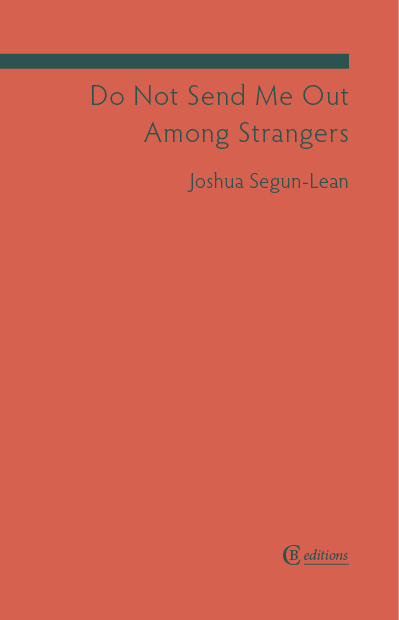
“I don’t know what I’m doing”: Do Not Send Me Out Among Strangers by Joshua Segun-Lean

Having never tried journaling until now, I can’t say if I’m doing a good job. Of all the activities people recommend for ‘staying positive’ through the pandemic, journaling seemed the most obvious choice for me. Though I have set no grand expectations for myself, I’m afraid I will be unable to keep from filling each page, eventually, with minutiae. With the flatness of time as it passes here. An instinct, I think, from an earlier, truncated life in the sciences. Or perhaps like the voice in Sans Solei, ‘I have been around the world several times, and now only banality interests me.’

I am not that far gone, I don’t think.

Some books are best measured not by the number of pages they hold between their covers, or the number of words they carry. Do Not Send Me Out Among Strangers by Nigerian writer, essayist and photographer Joshua Segun-Lean tells a deeply personal, vulnerable story in this slender volume that, at first blush, appears deceptively sparse and quiet, not unlike the pandemic-sheltering world in which it was conceived. But at its heart lies a raw testament to loss, distilled into a spare collection of images and words that is no less powerful than the too-much-information memoir that has become so ubiquitous.

Less is more.

Do Not Send Me Out Among Strangers is a collection of brief journal entries—observations, accounts, and recollections—nested among a series of harsh black and white photographs of soil, rock, and debris, marked with occasional tufts of vegetation. Numbered and time stamped, these images are titled “Field Notes.” This is the visual record of the search that occupies Segun-Lean’s lockdown days: he has been tasked with the dispersal of his father’s ashes. He thinks back on their strained relationship and his insecurity about the responsibility he has been given. Meanwhile, friends are falling sick with Covid; some are even dying. A journey of grief lies in the stillness of this book.

A couple of colour “Interior” photographs, also numbered and time stamped, appear along the way, echoed by a few Edward Hopper paintings. The explicit theme connecting these illustrations is the colour red. The inherent loneliness of the artwork perhaps, the author admits, “too obvious,” given the circumstances. There are also a handful of sketches, abstracted, and, finally, a number of short excerpts dealing with ancient burial practices from various archaeological and historical texts.

Taken together, this collection of thoughts and images, speak of the complicated relationship we have to life, death, and disability—to the body in sickness and health, whole or incomplete. At a time of isolation and uncertainty, as Segun-Lean is searching for the right place to scatter his father’s ashes, he is quietly exploring, as the book description says, “the strange terrain where private and public grief meet.” He is carrying both, as he will reveal.

Do Not Send Me Out Among Strangers by Joshua Segun-Lean is a haunting little book, the kind of small, unclassifiable work that UK publisher CB Editions specializes in.

A reflection for Winter Solstice 2023

As soon as we pass the longest night of the year, there is a noticeable change in the quality of light. The afternoons immediately seem brighter as the days begin to lengthen, minute by minute, week by week. I can remember more than a few winter solstices that found me mired in a darkness that was soul-black and heavy. But this year, as the world, at home and afar, is facing so many serious threats, it feels essential to remain focused on what needs to be addressed—war, climate change, increasing polarization, a pandemic that is still causing illness and disability, and so much more. Heaven knows there is much to worry about, many reasons to be angry, ample cause for despair, but, at the moment, as someone who has known deep depression borne of chemistry rather than circumstance, what I tend to feel is a positive anger, that is, an emotion that fuels a desire to be more active in my speech and action as the new solar season dawns. There is an opening up to the other that, after years of relative isolation, has been reignited in me in recent months and I hope I can keep that energy in motion.

This past year was one of connection and reconnection. In mid-September I returned to India for the first time in four years—my first trip anywhere since 2019. As I made my way from Bangalore to Calcutta, Delhi, Pune, Mumbai, Jaipur and back to Bangalore, I enjoyed so many long and meaningful conversations over coffee and meals, and in cars, autos and trains, with friends old and new. I was looking for the inspiration and confidence to write again after a prolonged period of silence, and by the time I was getting ready to fly home I was beginning to feel a renewed creative drive. And then, the outbreak of conflict in the Middle East diverted my attention, shifted my reading, left me distressed and found me treading words with caution, shocked by the ability of apparently reasonable people to rationalize the massive destruction of infrastructure and indiscriminate killing of innocent children, women and men that we have witnessed these past two and a half months. Even now I know that whatever I say or don’t say, someone will take offense. This is the deeply fractured world we now inhabit.

Here in the northern hemisphere, the days grow longer as a new calendar year approaches; in the south, summer solstice marks the longest day of the year. What will we do with this light, that we either presently have or are eagerly anticipating? There is no condition—conflict, climate or clinical—that we cannot resolve, but, as human beings, we have to be able to do the one thing that seems to drive us apart over and over again: we have to recognize that every person is of equal value and deserving of dignity and life and commit to working together toward that end.

I will let you decide for yourself if that is a dream worth holding on to or justification for accepting that our problems are impossible to solve.

Photo by Joseph Schreiber

India update: Catching up with old friends, finally meeting others

Four years is a long time. Much has happened since I last visited this country. Since I last travelled anywhere as fate and pandemic would have it. Two-thirds into my stay and it feels like it has been a hectic time—not that I haven’t had free time, but I seem to find it hard to stay put on an empty day when a busy vibrant world awaits outside the door. And one doesn’t want to miss the chance to catch up with friends who are normally but a virtual prescience in one’s life. So, less reading and writing has been accomplished than I had anticipated to date.

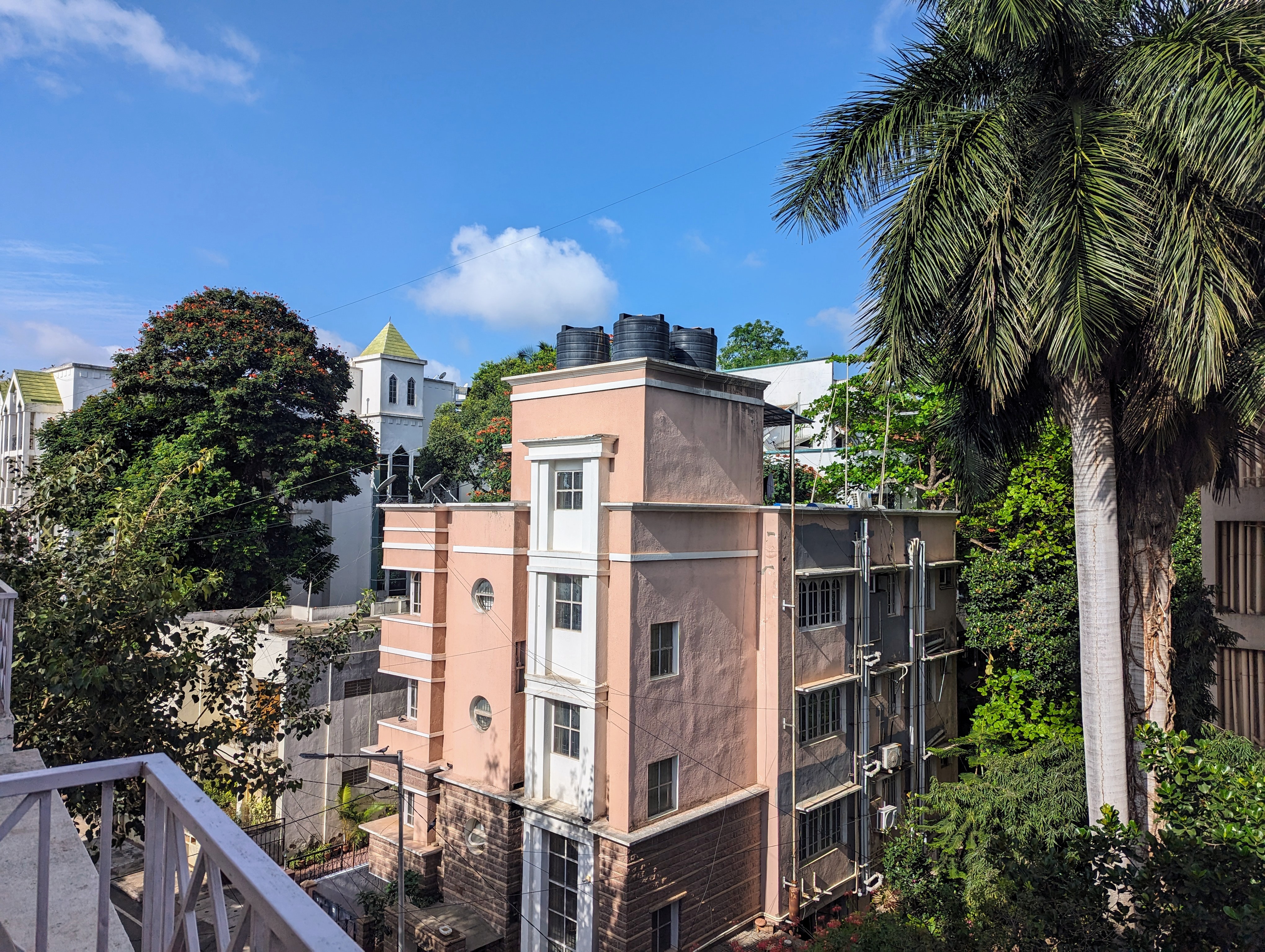
I started my trip in Bangalore, a city I will return to before flying home to stock up on books. Weight restrictions on internal flights have meant that if I buy books, I risk not being able to get to my next destination. It surprises me how just a few slim volumes will tip the scales! And it’s always a pleasure to spend time with my very dear friends here at either end of my India sojourn.

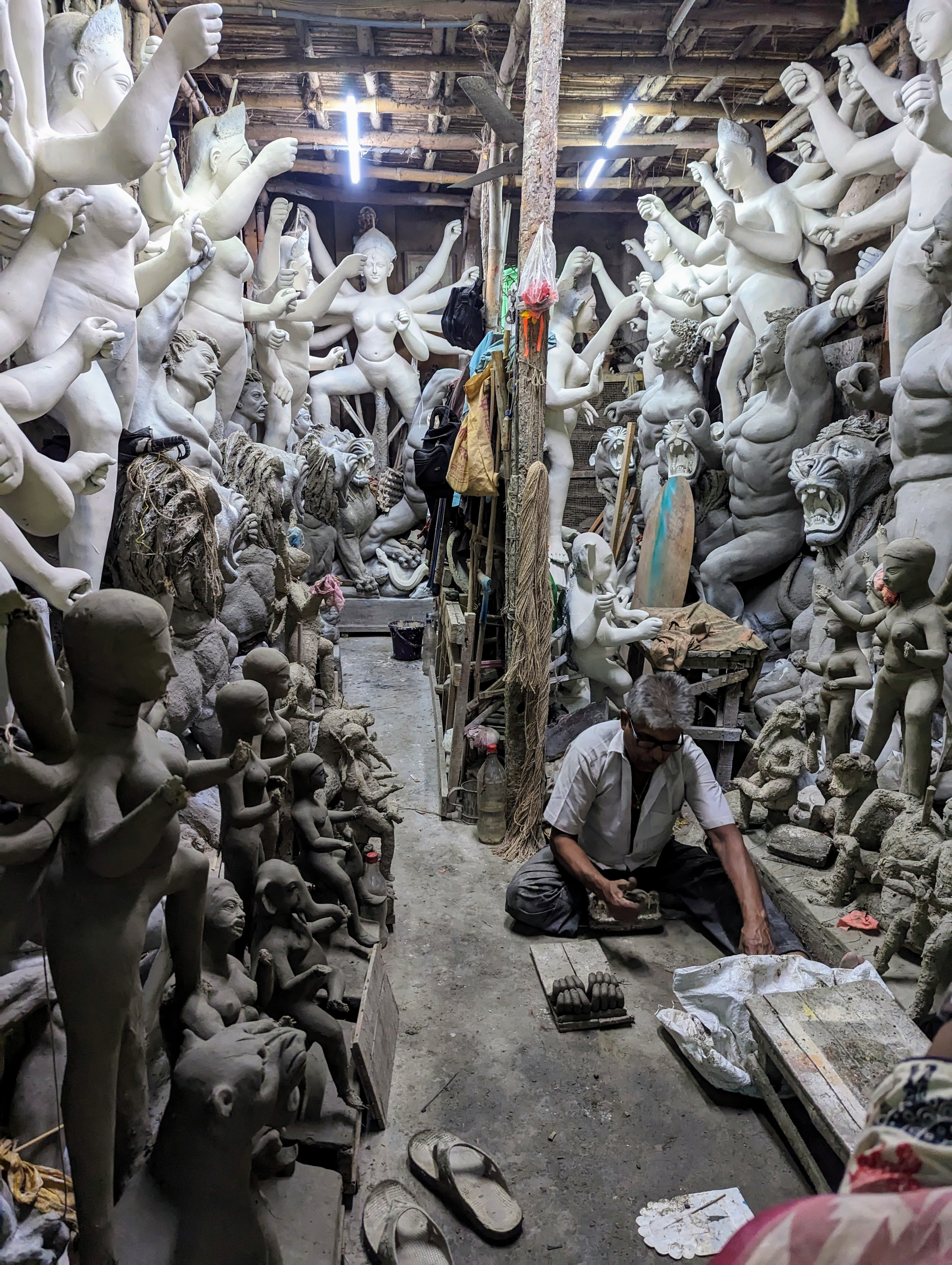
From Bangalore, I was off to the City of Joy, Calcutta or Kolkata, to the place (and the publisher) that first drew me to the subcontinent. Wet and humid beyond measure, it was my first visit outside the drier winter/spring months. But it was wonderful to see my dear friends at Seagull Books where I was able to play a small role in the creation of what will be another spectacular catalogue—this one tackling a vital theme for the times. I also had coffee with the couple who were my first tour guides in the city, this time meeting up with them in an area further south than I had been to date. I also made a pilgrimage to Kumartuli, the potters’ colony where craftsmen are busy making idols for the upcoming Durga Puja, Kolkata’s most important festival.

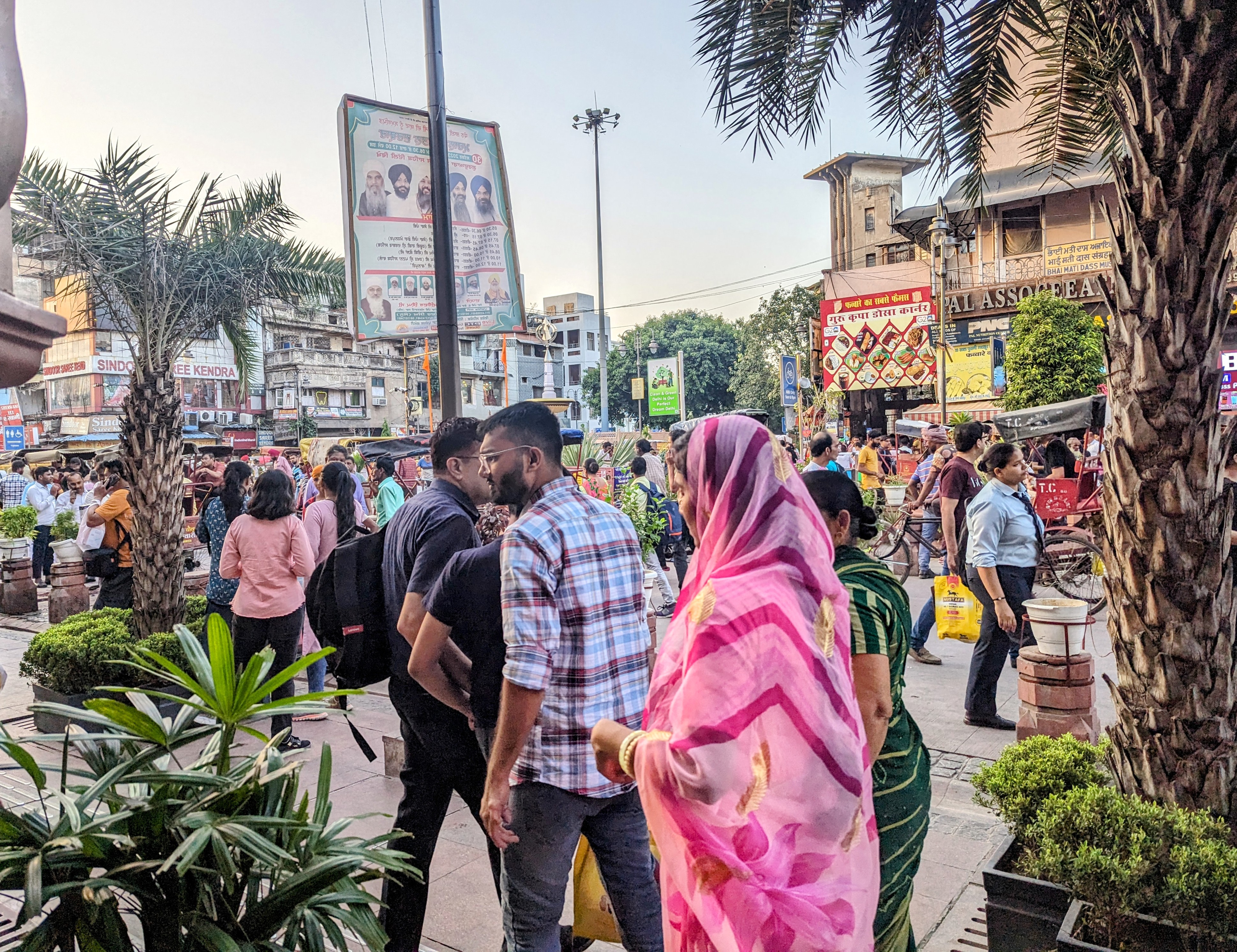
The next stop was Delhi, a short stay, but my first in the nation’s capital. I was met at the airport by a friend which was fortuitous because it proved difficult to get a cab willing to go into the congested area where I was staying. Subsequent forays in and out were facilitated by the Metro. On my first day in the city, the same friend escorted me to the university where he teaches and I gave a talk about writing book reviews. It was a very rewarding experience. The second day another friend took me into central Delhi where we had lunch, walked around, visited temples and enjoyed a most awesome lassi!

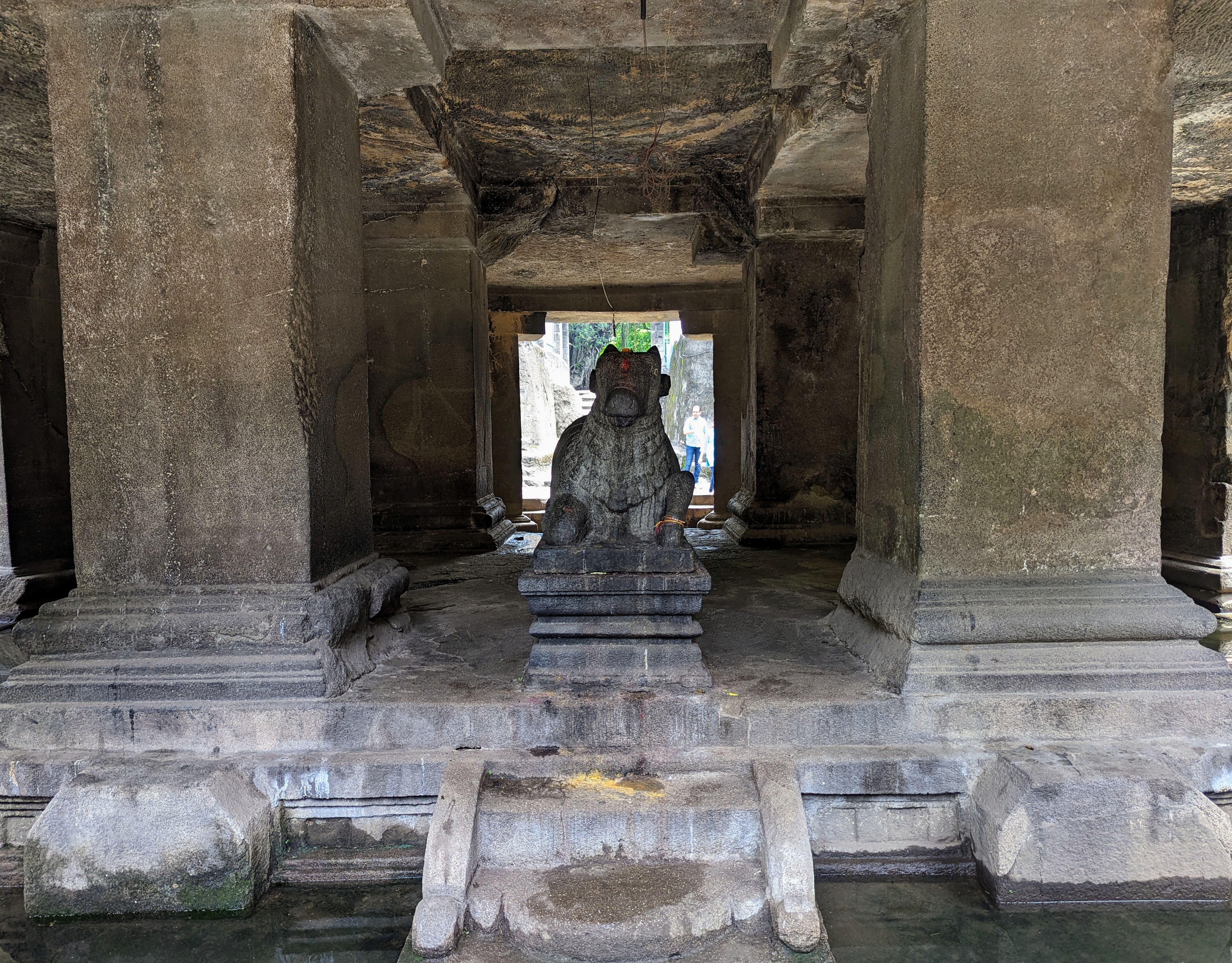
Then on to Pune, where I’m writing this on the final hour of my birthday. Here I caught up with dear literary friends and had a chance to finally meet someone whose friendship has offered solace during these long years of pandemic isolation. I also walked down to see the Pataleshwar Caves, the site of an eighth century Hindu temple carved out of the rock—a sanctuary within a busy city.

Tomorrow I fly to Mumbai for a brief stay then on to Jaipur where I hope to dry out a little after all the humidity of this extended wet season before returning to Bangalore. Whew!

It is good to be back in this hectic, vibrant country, even if I have arrived at a time of some diplomatic discord between my own country and India. I have never felt anything but welcome here.

The excellent books I’ve not been reading

As September began, with the prospect of a long-awaited trip looming, I had imagined I would have read and reviewed several new and recent releases before taking flight. Now it looks like these same books will be joining me on my way to India. I’d pictured myself only packing a few slender volumes so as to leave room to acquire more and still remain within the tighter weight restrictions of my internal flights. I should still be fine, of course, and I will still be able to fill up with even more books, so far as I can afford, before I head home from Bangalore. And, without even having to buy a second bag to get home as I have in the past.

It has been just shy of four full years since my last visit to India—in fact, since my last trip anywhere. I have spent hours sorting out flights, reserving hotels, making sure all my expenses at home are covered and making endless lists (which my toothless cat has mutilated on more than one occasion as he is inclined to do with my notebooks and sticky note reminders when I’ve recklessly left them unattended). I’ve also been invited to give a talk while I’m in India, so preparations for that have required my attention, as have an endless number of last minute errands. Considering how very busy I was prior to my last trip in 2019, it’s a wonder I got out of the door at all. Perhaps the enterprise of travel after the upheaval of the still-lingering pandemic is more precious and more precarious, and I don’t want to leave as much to chance as I did before.

Anyhow, the books I have been reading, each excellent in their own way, deserve a mention now should I not manage a proper review until I get back. I am not only a slow reader, but I’m an equally slow writer and I do hope to manage even a little personal writing while I’m away.

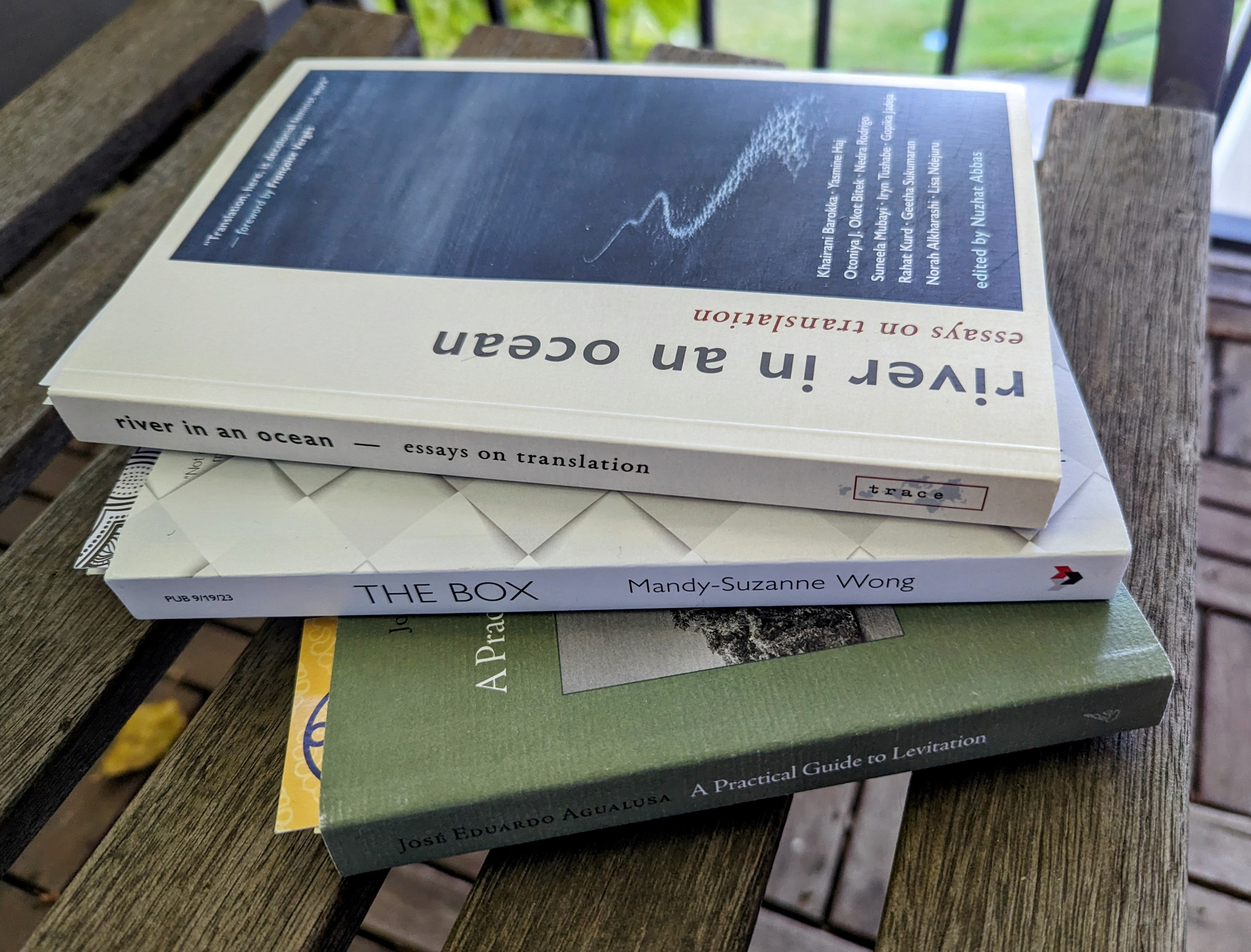
A Practical Guide to Levitation by José Eduardo Agualusa, translated from the Portuguese by Daniel Hahn (Archipelago) is a brilliantly fun collection of short stories set in Portugal, Brazil and Angola. For me, Agualusa’s eccentric characters and fondness for magical realism work so well in the short form.

The Box: A Novel by Bermudian writer Mandy-Suzanne Wong (Graywolf/House of Anansi Press) is a high-concept novel revolving around an enigmatic, unopenable box and the effect it has on those who come into contact with it. I’m only a couple of chapters in, but so far it makes me think of Czech writer Michal Ajvaz’s playful, intelligent postmodern fiction and I’m eager to see where it goes.

Finally, River in an Ocean: Essays on Translation, from the new Canadian publisher, trace press, is a collection of essays by poets, writers and translators from across the globe, edited by Nuzhat Abbas. These formally inventive pieces invite us, as the description advises, “to consider translation as a form of ethical and political love—one that requires attentive regard of the other—and a making an unmaking of self.” This project of decolonial feminism is a very important exploration of the intersection of language with questions of  identity, belonging, gender and sexuality, giving space to voices and perspectives that many of us might not hear or even consider otherwise. It is leading me to ask myself difficult questions about what my own interest in reading and promoting work in translation really means. And with many South Asian contributors I suspect this book would have landed in my travel bag anyhow—it seems only right.

Now, with only one day until I leave, I plan to continue to fuss over my packing, take a very long walk to celebrate the colours that will be gone by the time I get back and, with luck, get a little more reading done!

Roughghosts is nine years old today

It seems I skipped the annual anniversary post last year, but since I’m not writing the review I should be working on, I thought I’d stop and acknowledge this small achievement and thank everyone who has stopped by this literary space since I first recklessly launched it while I was unknowingly spiraling into a manic crisis that would ultimately end my career back in 2014. If nothing else, it has provided me a place to talk about books and writing, and make the acquaintance of many wonderful readers, writers, translators and publishers around the world. Roughghosts would be nothing without the company of others who also cherish literature.

In its early days, my blog was filled with much of my frustration about chronic mental illness and the stigma that has never been overcome. The subject still arises here on occasion but many of angriest posts have been made private. I try to stick to books, sometimes the subject of writing, and only when I am really down, do I open up a little more. (Of course, those are the posts that tend to get the strongest immediate response—always supportive—but I try not to complain about the world too often.)

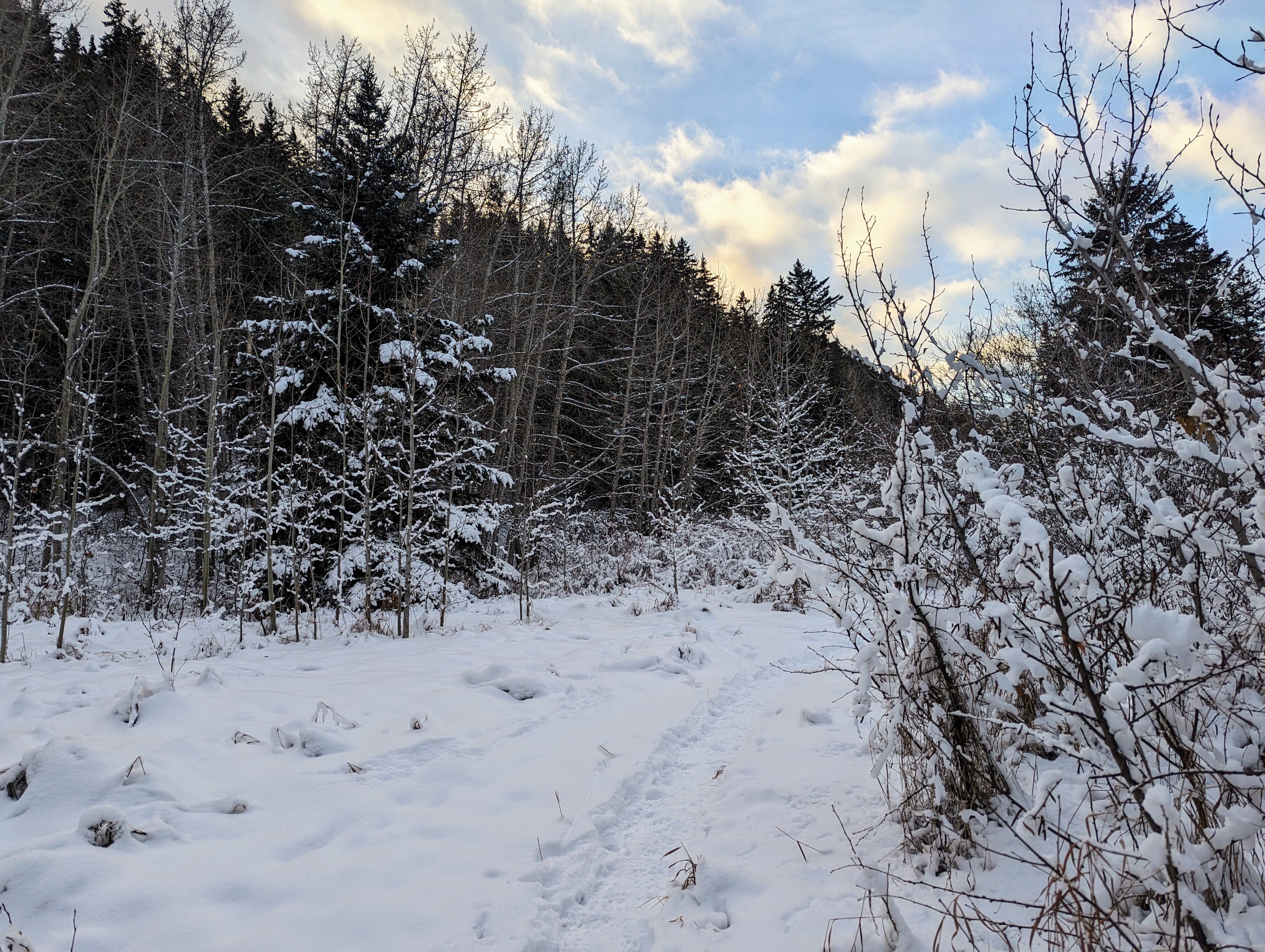
The past year has been pretty smooth, if quiet. I have stayed close to home, tracing the same beloved trails and trying, with some difficulty, to regain the level of fitness I had prior to breaking my leg last year. I am, I suppose, at the age when it takes longer to get back to where I used to be. The weather—prolonged cold through the winter and unexpected heat early in May—has been one factor, but a new respect for caution has slowed me down a little. I rarely go out without my trekking poles and (wisely) take fewer risks than I once did. I’m also looking forward to travelling for the first time since 2019, hoping to return to India in September.

As I look back over the last twelve months, I’m pleased with the number and quality of the reviews I’ve published. I’m a slow reader and a slow writer and, aside from a post like this, I rarely ever compose online—every piece is typically written over several days on a Word document and uploaded to WordPress. For now this is still a satisfying activity for me; I have yet to feel a strong desire to pitch essays or reviews for publication elsewhere. To be honest, I do like being able to track the amount of attention my reviews get, at publication and over time. It’s a window into the varying interest certain books generate. And because this is my blog, I am not tied to reading only new releases. That is, I believe, the true beauty of the book blog, or when I’m being fancy, “literary site.” Over the past year, for example, my most popular post—over 4500 views since last September—is a review of Mahsweta Devi’s classic Mother of 1084. I can only assume it has been on the school curriculum in India (and wonder how many suspiciously similar reports teachers have received).

I have no special objectives for the next year of roughghosts. I read and write about books for myself first and foremost—that is, as an exercise in both reading and writing—and I am ever grateful for everyone who has stopped by (even those who, judging by their bizarre search terms, must have been sorely disappointed by what they found). Here’s to another year of great books and excellent company!

Reading highlights of 2022: A baker’s dozen and then some…

It seems to me that last year I resisted the annual “best of” round-up right through December and then opened the new year with a post about some of my favourite reads of 2021 anyhow. This year I will give in, look back at some of my favourite reading experiences out of a year in which I had a wealth to choose from and aim to get some kind of list posted before friends start hanging up their 2023 calendars around the globe. In a year with war, floods, famine, storms and still no end in sight to Covid infections, books seemed more important than ever, as a respite, a record and a reminder that we, as human beings, have been here before and must learn from the past to face the increasing challenges of the future.

As ever, it is difficult to narrow down twelve months of reading to a few favourites. One’s choices are always personal and subjective, and many excellent books invariably get left out. This year especially—2022 was a productive and satisfying year for me as a reader and as a blogger. Not much for other writing, I’m afraid, but that’s okay.

This year I’m taking a thematic approach to my wrap-up, so here we go.

The most entertaining reading experiences I had this year:

Tomas Espedal’s The Year (translated from the Norwegian by James Anderson) was one of the first books I read in 2022. A novel in verse, it is wise, funny and, nearing the end, surprisingly tense as Espedal’s potentially auto-fictional protagonist careens toward what could be a very reckless act.

International Booker Prize-winning Tomb of Sand  by Geetanjali Shree (translated from the Hindi by Daisy Rockwell) looks like a weighty tome, but blessed with humour, magic and drama—plus a healthy amount of white space—it flies by. An absolute delight and worthy award winner!

Postcard from London, a collection of short stories by Hungarian writer Iván Mándy (translated by John Batki) was a complete surprise for me. In what turned out to be a year in which I read a number of terrific collections of short fiction, I was a little uncertain about this large hardcover volume some 330 pages long, but by the end of the first page I was hooked by the author’s distinct narrative voice and I would have happily read many more pages.

The most absorbing book I read this year (and its companions):

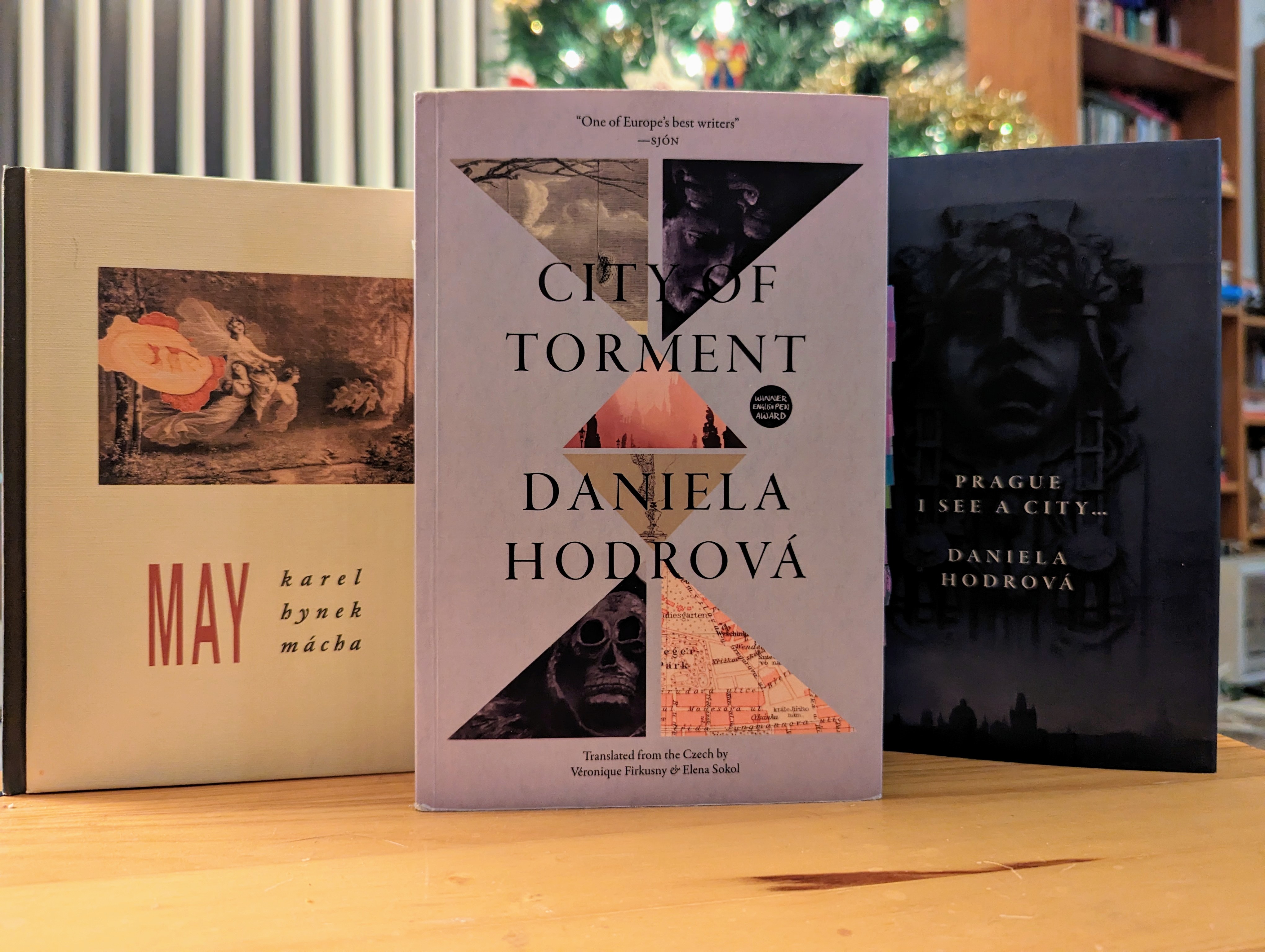
City of Torment – Daniela Hodrová’s monumental trilogy (translated from the Czech by Elena Sokol and others) is a complex, multi-faceted, experimental work that explores a Prague formed and deformed by literary, historical and political forces, haunted by ghosts and the author’s own personal past. After finishing the book, I sensed that I was missing much of the foundational structure—not that it effects the reading in itself—but I wanted to understand more. I read Hodrová’s own companion piece, Prague, I See a City… (translated by David Short) and more recently Karel Hanek Mácha’s epic poem May (translated by Marcela Malek Sulak), but I would love to have access to more of the related literary material, much of which is not yet available in English. I suspect that City of Torment is a text that will keep fueling my own reading for some time.

This year’s poetic treasures:

This is the most challenging category to narrow down. I read many wonderful collections, each so different, but three are particularly special.

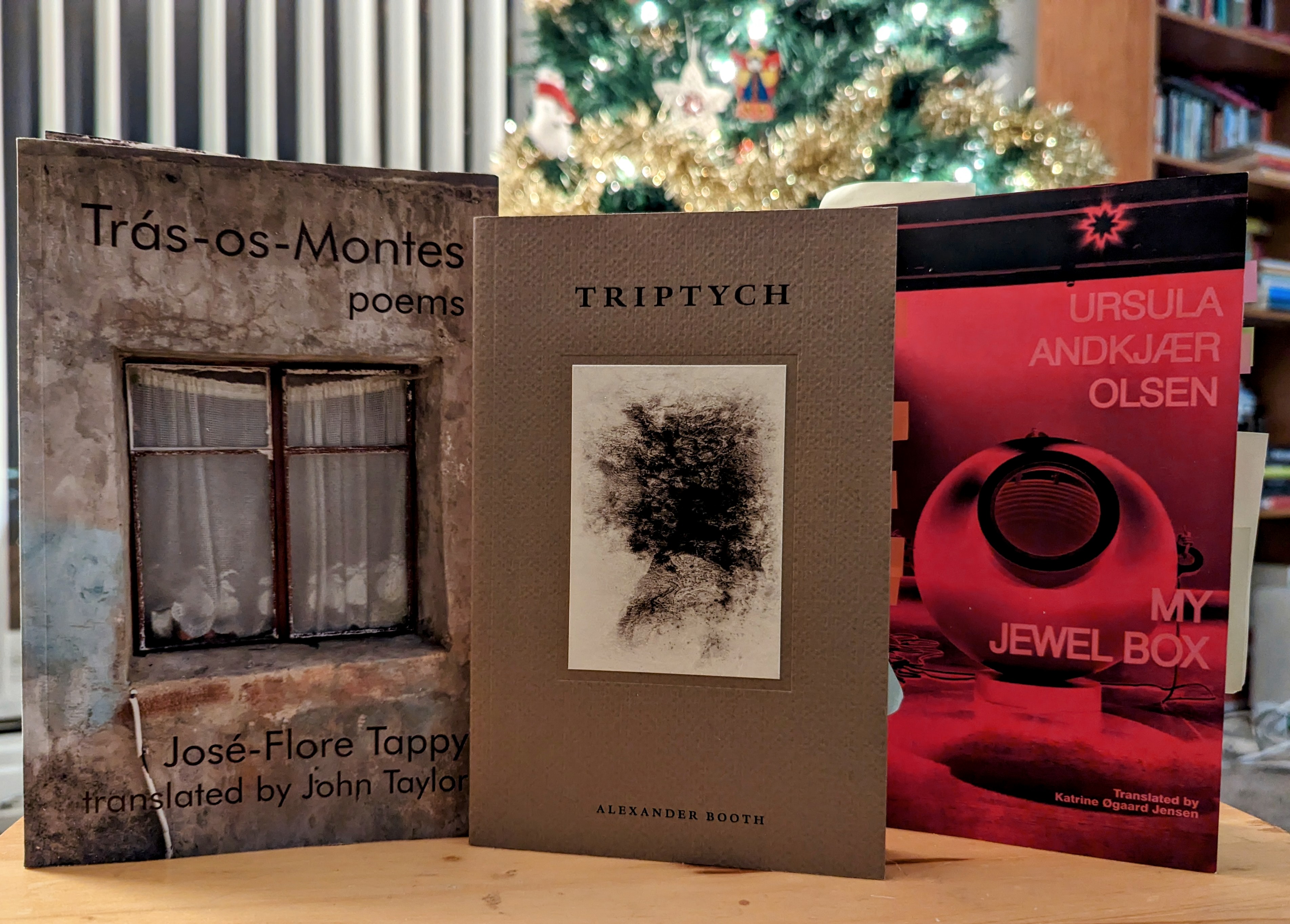
Translator John Taylor has introduced me to a number of excellent poets over the years and in 2022, it was his translation of French-language Swiss poet José-Flore Tappy’s Trás-os-Montes. I read this gorgeous book in August and it is still on my bedside table. It’s not likely to leave that space for a long time yet, and that’s all I need to say.  

I first came to know of Alexander Booth as a translator (and read a number of his translations this year) but his collection, Triptych, stands out not only for the delicate beauty of his poetry, but for the care and attention he put into this self-published volume. A joy to look at, to hold and to read.

Finally, My Jewel Box by Danish poet Ursual Andkjær Olsen is the conclusion of an organically evolving trilogy that began with one of my all-time favourite poetry books, Third-Millennium Heart. Not only is this a powerful work on its own, but I had the great pleasure to speak over Zoom with Olsen and her translator, Katrine Øgaard Jensen, for Brazos Bookstore in May. The perfect way to celebrate a reading experience that has meant so much to me.

Books that defied my expectations this year:

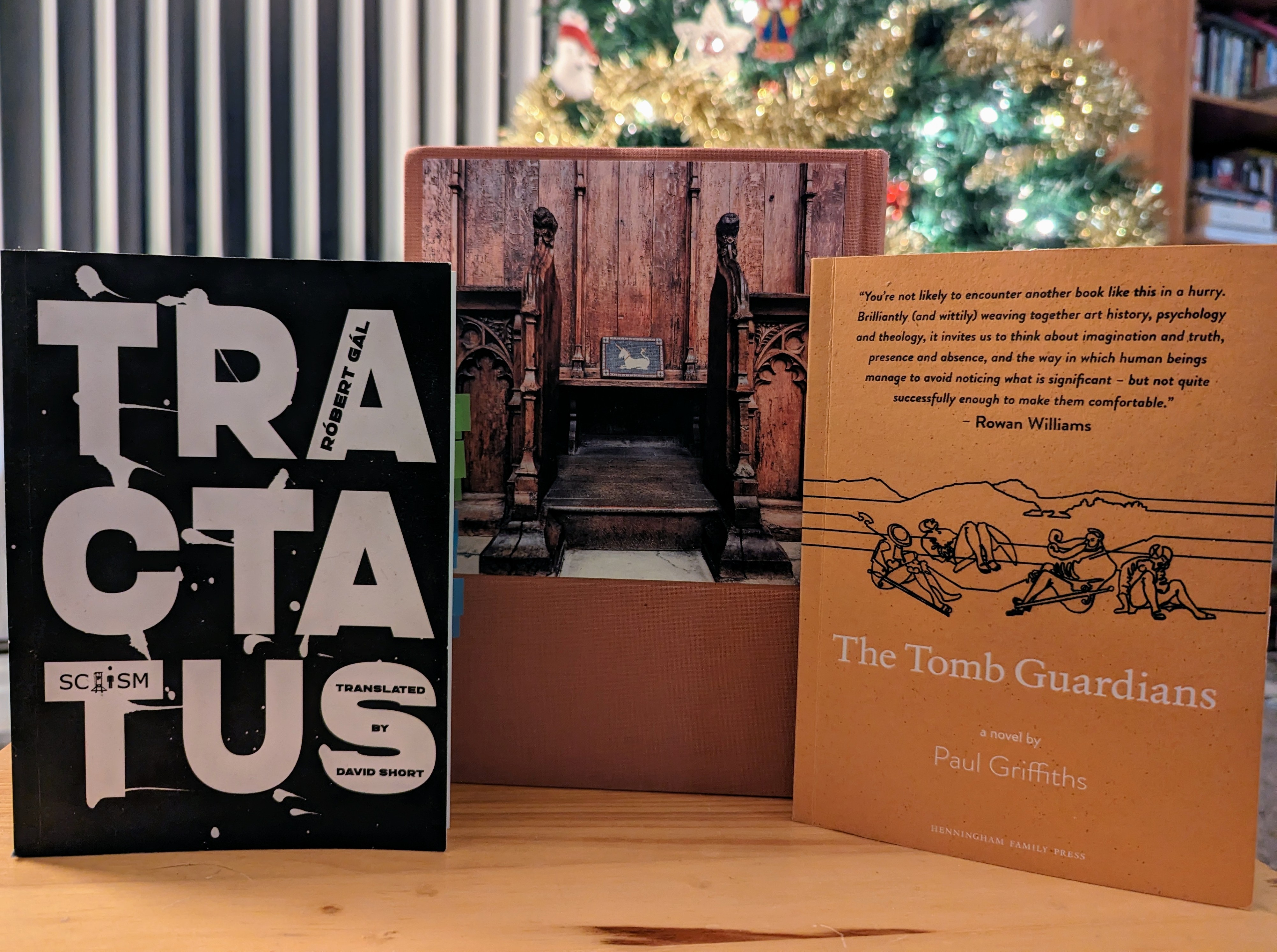
Prague-based writer Róbert Gál has produced books of philosophy, experimental fiction and aphorisms—each one taking a fresh and fluid approach to the realm of ideas and experience. His latest, Tractatus (translated from the Slovak by David Short) takes its inspiration from Wittgenstein’s famous tract to explore a series of epistemological and existential questions in a manner that is engaging, entertaining and provocative.

A Certain Logic of Expectations (you see the back cover here) by Mexican photographer and writer Arturo Soto is a look at the Oxford (yes, that Oxford) that exists a world apart from the grounds of the hallowed educational institution. Soto’s outsider’s perspective and appreciation of the ordinary offers a sharp contrast to the famed structures one associates with the city (and where he was a student himself) and what one typically expects from a photobook.

The third unexpected treat this year was The Tomb Guardians by Paul Griffiths. This short novel about the soldiers sent to guard the tomb where Jesus was buried is an inventive work that explores questions of faith, religion, and art history. Truly one of those boundary-defying works to use a term that seems to get used a little too often these days.

The best books I read in 2022:

Again, an entirely personal assessment.

I loved Esther Kinsky’s River, but Grove (translated from the German by Caroline Schmidt), confirmed for me that she is capable of doing something that other writers whose work skirts the territory occupied by memoir and autofiction rarely achieve, and that is to write from the depth of personal experience while maintaining a degree of opaqueness, if that’s the right word. One is not inundated with detail about the life or relationships of her narrators. Rather, she zeros in on select moments and memories, allowing landscape to carry the larger themes she is exploring. So inspiring to the writer in me.

Monsters Like Us, the debut novel by Ulrike Almut Sandig (translated from the German by Karen Leeder) deals with an extraordinarily difficult topic—childhood sexual abuse. It does not shy away from the very real damage inflicted by predatory family members, nor does it offer a magical happy ending, but it does hint at the possibility of rising above a traumatic past. As in her poetry where Sandig often draws on the darkness of traditional European fairy tales, she infuses this novel with elements and characters that embody the innocence, evil and heroic qualities of folktales within an entirely and vividly contemporary story. So much to think about here.

Hanne Ørstavik’s The Pastor (translated from the Norwegian by Martin Aitken) was my introduction to the work of a Norwegian writer I had a lot about over the years. This slow, melancholy novel set in the far north regions of Norway, beyond the Arctic Circle in the dead of winter, was a perfect fit for me as a reader, in style and subject matter. The story of a female pastor who takes a position in a remote village following a personal loss that she does not fully understand, explores emotional, historical and spiritual questions through a character who is literally stumbling in the dark.

So, what might lie ahead? This past year I embarked on two self-directed reading projects—one to focus on Norwegian literature for two months, the other to read and write about twenty Seagull Books to honour their fortieth anniversary. I found this very rewarding experience. Both projects were flexible enough to allow me freedom, varietyand plenthy of room for off-theme reading, but in each case I encountered authors and read books I might not have prioritized otherwise. For 2023 I would like to turn my attention to another publisher I really admire whose books are steadily piling up in my TBR stack—Archipelago. As with Seagull, they publish a wide range of translated and international literature that meshes well with my own tastes and interests. I don’t have a specific goal in mind, but already have a growing list of Archipelago titles I’d like to read. Other personal projects—public or private—may arise, perhaps more focused toward the personal writing I always promise to get back to, but time will tell. If the last few years have taught us anything, it’s that it’s a long uncertain road from January 1st to December 31st and it’s best not to try to outguess what the road might hold. Hope for the best and prepare for the worst once more.

Best wishes for the New Year and thank you for reading!

Life keeps writing my story for me: A personal reflection on my mother’s birthday

May 2, 2022. My mother would have been eighty-eight today. This week just passed, between my father’s birthday on April 26 and today, is always the time when I think most of my parents. When they feel closest to me, like stars circling the planet. When their memories haunt me. This summer, they will have both been gone six years. But this past week has been a whirlwind of emotion in its own right and I’m afraid the time I wanted to set aside to be with them has evaporated.

Which has led me to think about what family means. About how much love and pain we can bear. And yet, what I can really say at this moment is guarded.

Same trail, same time, last year.

Last Sunday, April 24, I took a fall on a muddy, icy trail and fractured my left fibula above the ankle. At the time, I was still a treacherous distance from a point where I hoped medical attention might reach me and I knew from the screaming pain in my leg that I would never be able to walk all the way back up the hill to my home. Or, for that matter, drive my small standard transmission vehicle to the urgent care clinic to get it checked out. But I was still hoping on the idea of a “bad sprain,” so I called my son and asked him to come down with a trekking pole and I started to limp toward the access point.

I was inching my way down an incline thick with mud, clinging to a rope railing, when a young man came along. He was new to the city and new to the trail but he didn’t want to leave me alone. There was no place to sit without putting undue pressure on my injured leg so we waited until my son Thomas arrived and together the three of us continued down and then across a desperately slippery sheet of mud-covered ice. Soon a third helper arrived, one of the men I regularly meet and talk to on this path, and he provided extra support as we made our way up another hill and down a flight of rough steps to an open paved area. I called the emergency line and we tried to figure out how I might be reached. The normal access road is still impassable at this time of year, but a paramedic in an SUV was able to reach me on the bike trail and drive me out to where an ambulance was waiting.

Of course, there was still a long wait ahead, five hours at least, just to see a doctor at the clinic. With x-rays I had the verdict that leg was indeed broken. I was incredulous. I have some early bone loss and my diet and daily exercise have been focused on strengthening my body, but in the end it only took a rather classic fall to produce a common fracture. Common in athletes, I might add, if that is to make me feel better because I did not take up trail running until I was fifty-nine and never imagined myself even a casual “athlete.”

One week later, a little grief and depression has settled in along with the discomfort and agonizing difficulty of accomplishing absolutely anything on one leg and a pair of crutches. My injured leg can bear no weight at all for at least the rest of the month. I return to the orthopedic surgeon on June 1. I did rent a wheelchair for outings (assuming someone is available to carry it down a flight of stairs from my second floor apartment while I cautiously and gracelessly make my way down on my bottom end. I am terrified of falling on the narrow, old staircase. Chances are that could spell my end.  And no cruise around the neighbourhood will replace my daily walks and runs on my beloved trail—especially as spring arrives in force.

In the meantime, I have my adult son close at hand to help out. But I’m afraid that the responsibility and fear heightened his anxiety to the point that he turned to even more alcohol than usual and we had some very difficult moments. That’s all I will say at this time, because it seems like a change may finally be on the horizon (or a bottom has been reached). It won’t be easy but I’m willing to provide as much emotional caregiving as I can along the way.

It is this situation, however, that brings me to what I really wanted to talk about. For years I have fussed with the idea of a “memoirish” project while, at the same time, memoir and autofiction has exploded into a genre of often very dubious quality with authors who seem to be able to drop boundaries and expose everything about themselves and those close to them without thinking twice. That holds no appeal to me. As a writer or as a reader. There are ideas I want to explore about living with mental illness, having a gender-different history and parenting a child with his own challenges. But my questions have always been more metaphysical than personal-detail-oriented, and I believe that my experiences, if interesting in themselves, are at once unique to me and in some sense universal to this messy business of living we all engage in. I am also aware that, even though both of my children are intrinsic to my story, they each have their own stories (or versions of my story) that I do not own.

How can one tell a “true,” yet necessarily subjective story that involves others closely and still respect their dignity and boundaries? There is a lot of anger, grief and joy in my story, like any other, but how can one write toward that emotion without exposing too much of one’s self or others? I know I keep waiting to move beyond all that before writing while knowing at the same time that writing is possibly the only way I will ever understand what I feel.

In recent years, I have published a few personal essays and poems in which I have sought to strike a chord between the raw and the abstract, but more recently I have been frozen. I only feel safe writing about the words of others. My own words about my life have remained strangely out of reach. However, of late, the desire to find them has returned.

So, on my mother’s birthday, with at least a month of down time ahead, as my son is making his own resolutions, I’m thinking it is perhaps time to open that work-in-progress file again. For my parents and my children and myself.

And maybe someone else will want to read it too.

There are no roads here: Ghost Variations by John Brian King

The images are dark, indistinct, deep shadows lurk behind rock, ground and grasses caught in the harsh glare of the flash of a simple black-and-white instant film camera. The sky, if visible, holds varying shades of light. Ghost Variations by photographer, filmmaker and writer John Brian King, is an invitation to explore the nocturnal landscape of California’s Coachella Valley without a guide or obvious frame of reference.

King, whose work over the years has examined a range of topics, focusing on such themes as airports, punk scenes, horror film and crime, turns his attention, in this photobook, to a desert landscape almost completely devoid of obvious human elements. The intentionally crude method of photography leaves the possibility of presence open. There are no words to provide interpretation or orientation so the narrative—or a multitude of narratives—is left to arise within the viewer. The scenes carry mystery and a bleak beauty, while the isolation of the flash’s illumination heightens the surrounding darkness, evoking the sensation of trying to navigate an unfamiliar terrain with insufficient light.

Photographs by John Brian King, Ghost Variations, Spurl Editions, 2022

The apparent repetition of some images—or lack of distinctiveness—enhances a feeling of being lost. Some scrub here, a rising wall of rock there, a deepening shadow swallowing the edges of the scene. An empty, noncommittal sky. Anyone who has camped out in a natural area will know how radically distorted the landscape becomes in the dark. But here, of course, one never gets the opportunity to reorient by light of day—this book contains an endless night. A night and a world to disappear into.

Ghost Variations by John Brian King is forthcoming from Spurl Editions who have also published three of King’s earlier photobooks: Riviera, LAX: Photographs of Los Angeles 1980-84, and Nude Reagan.